
County Dublin
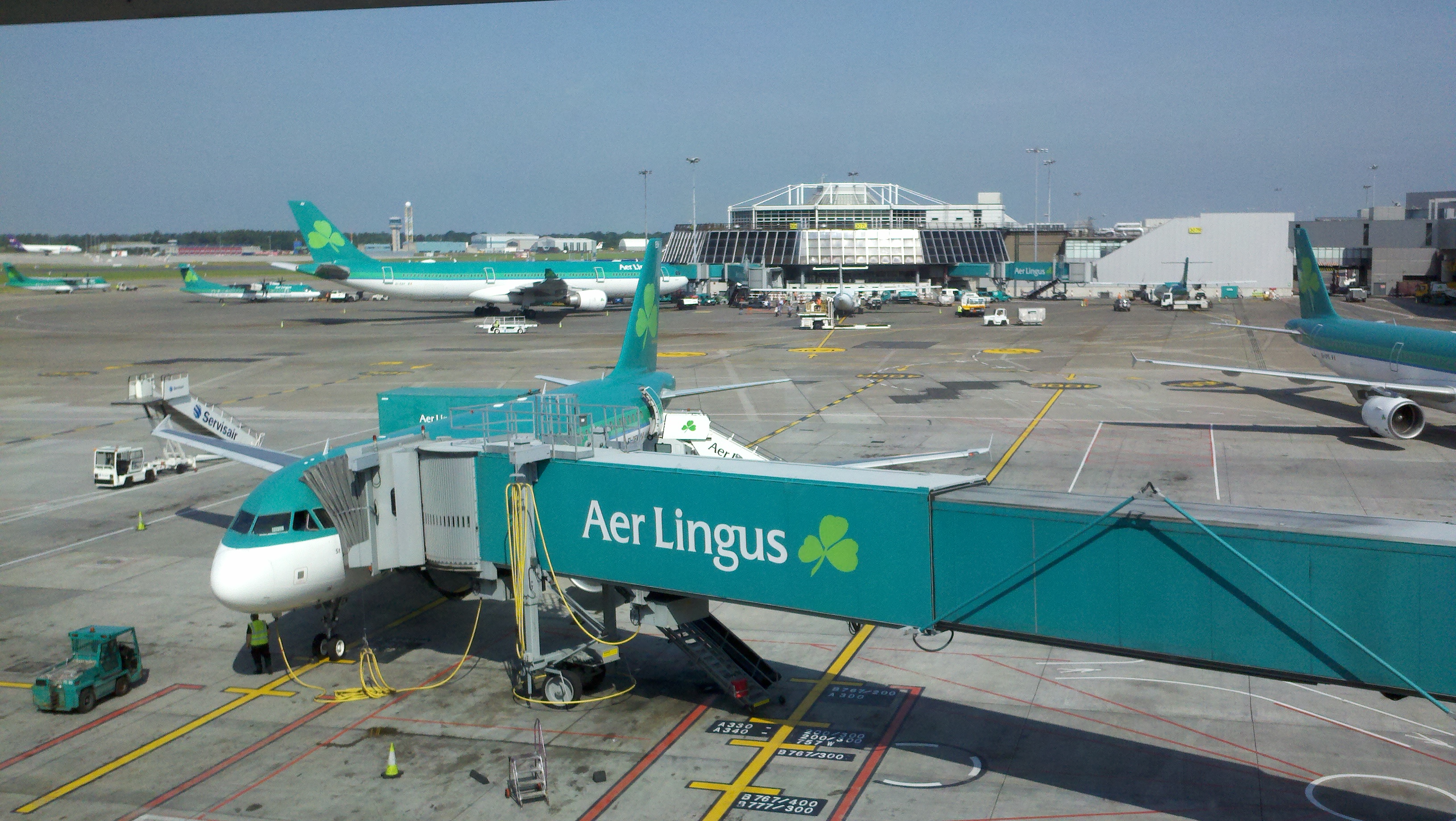
Hello, I’m Christopher Fanucci and I took a trip to Ireland. I arrived at Dublin Airport in Ireland on July 20th, 2013 which is located just north of Dublin City.
First stop was the Davenport Hotel which is a famous landmark among Dublin hotels, offering elegant, luxury hotel accommodation in the very heart of Ireland’s capital. Originally a gospel house, this Dublin hotel facade dates back to 1863 and offers 114 guest rooms. Located beside Merrion Square in the heart of Dublin, the hotel is within strolling distance of the main Dublin city visitor attractions and shopping areas, including Trinity College, The National Art Gallery, St. Stephens Green and Grafton Street.
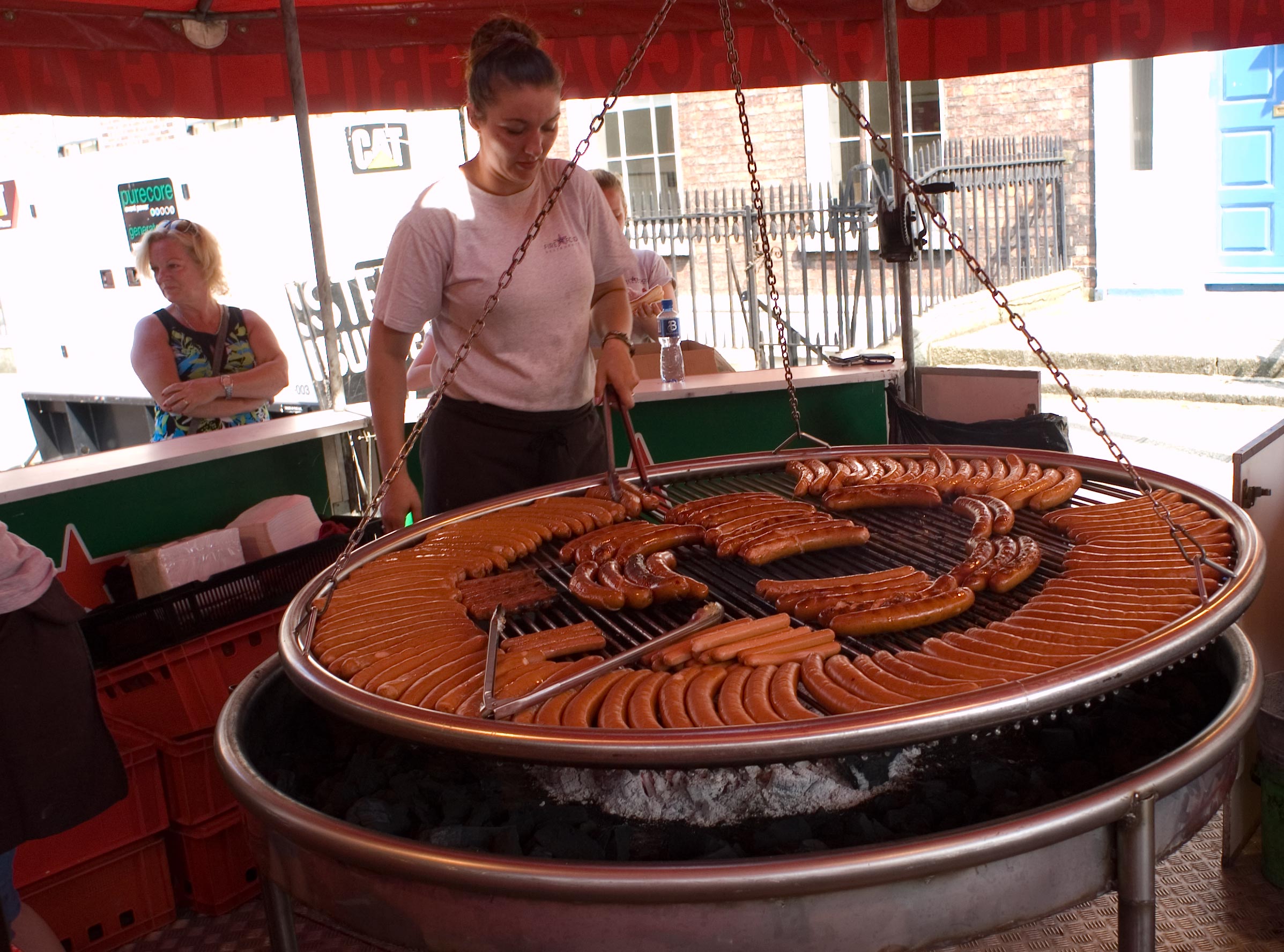
After that, a quick venture out on the streets of Dublin I found myself in a local festival with street vendors and carnival like activities at the Merrion Square.
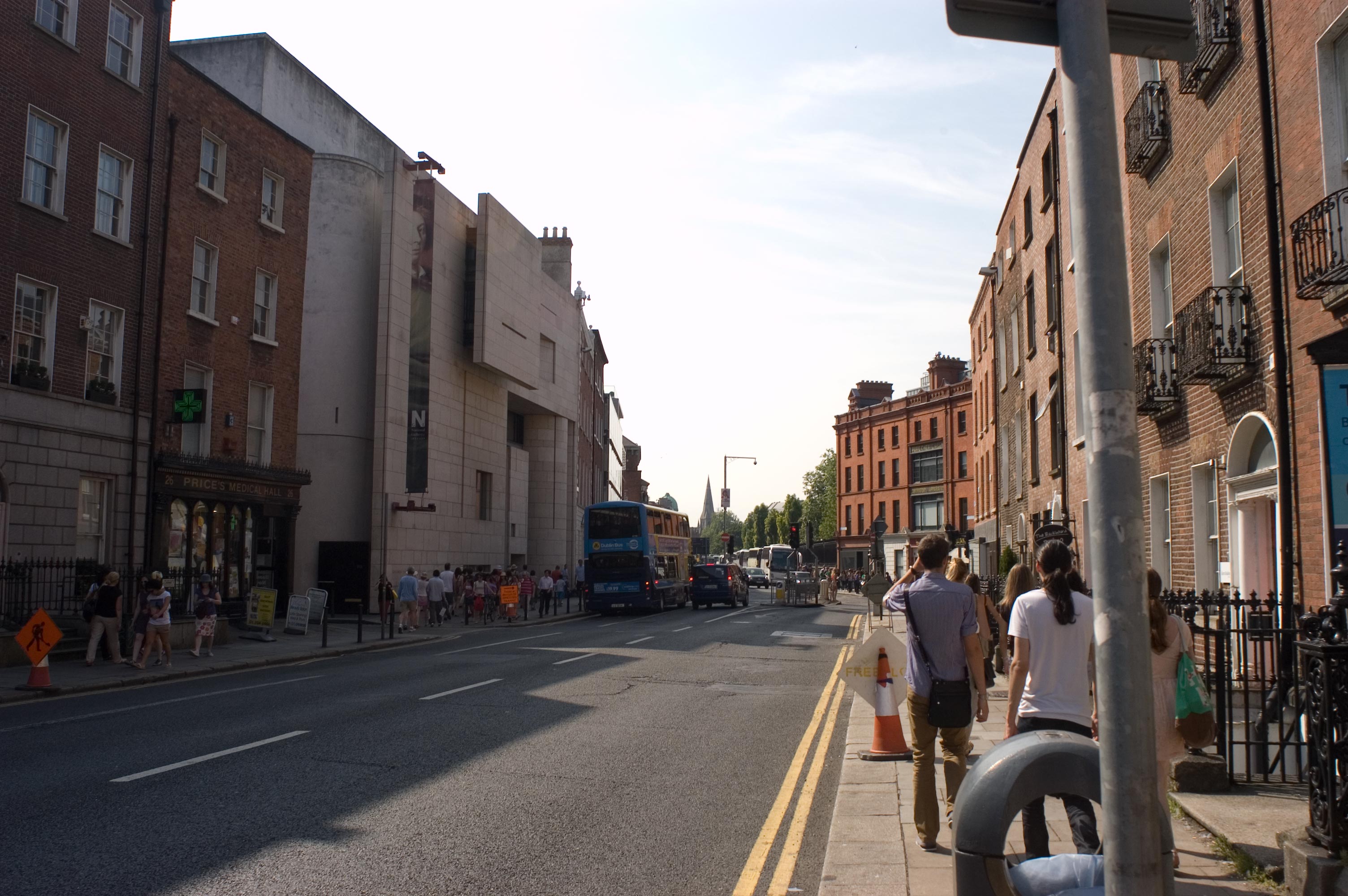
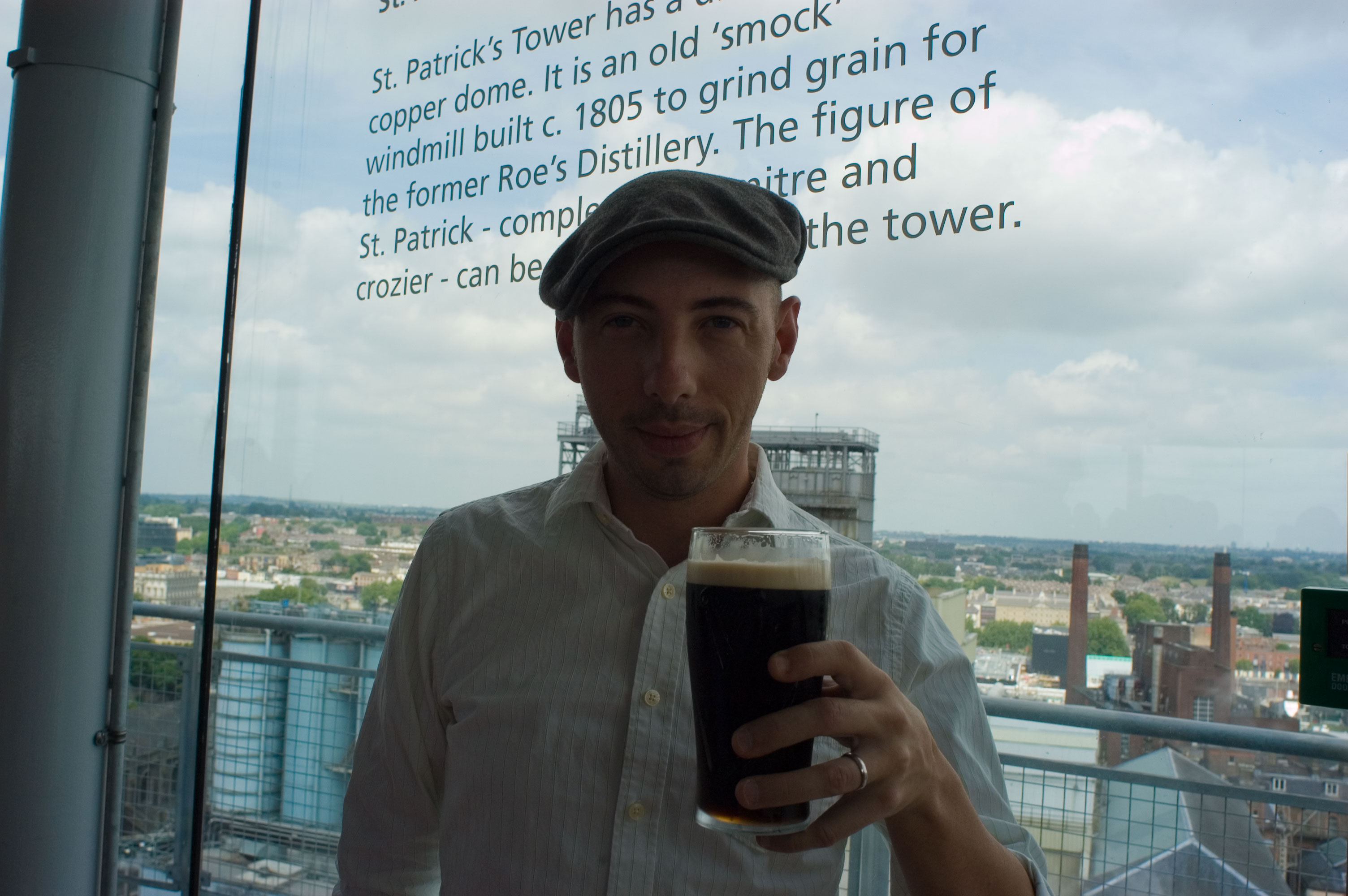
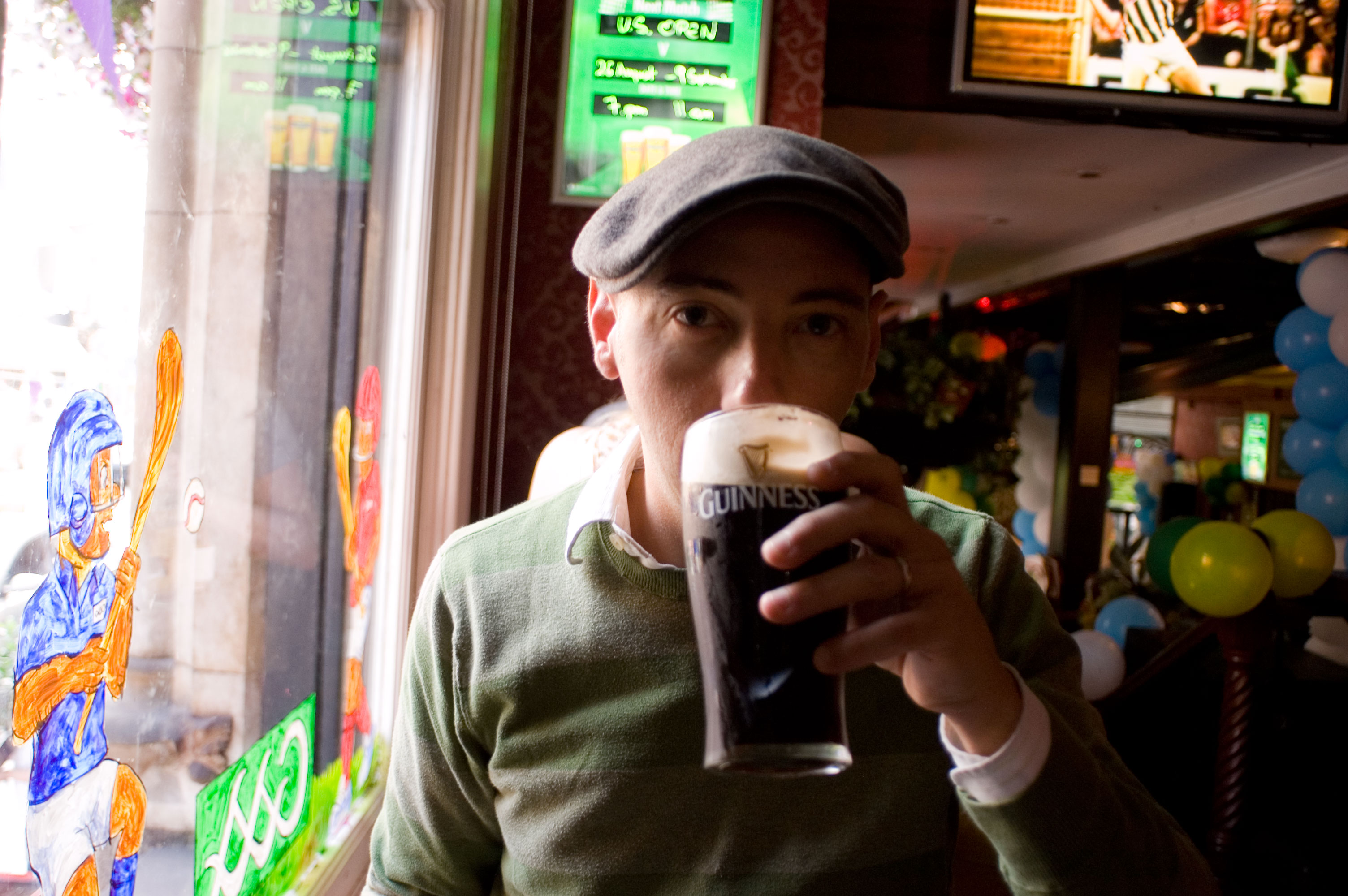
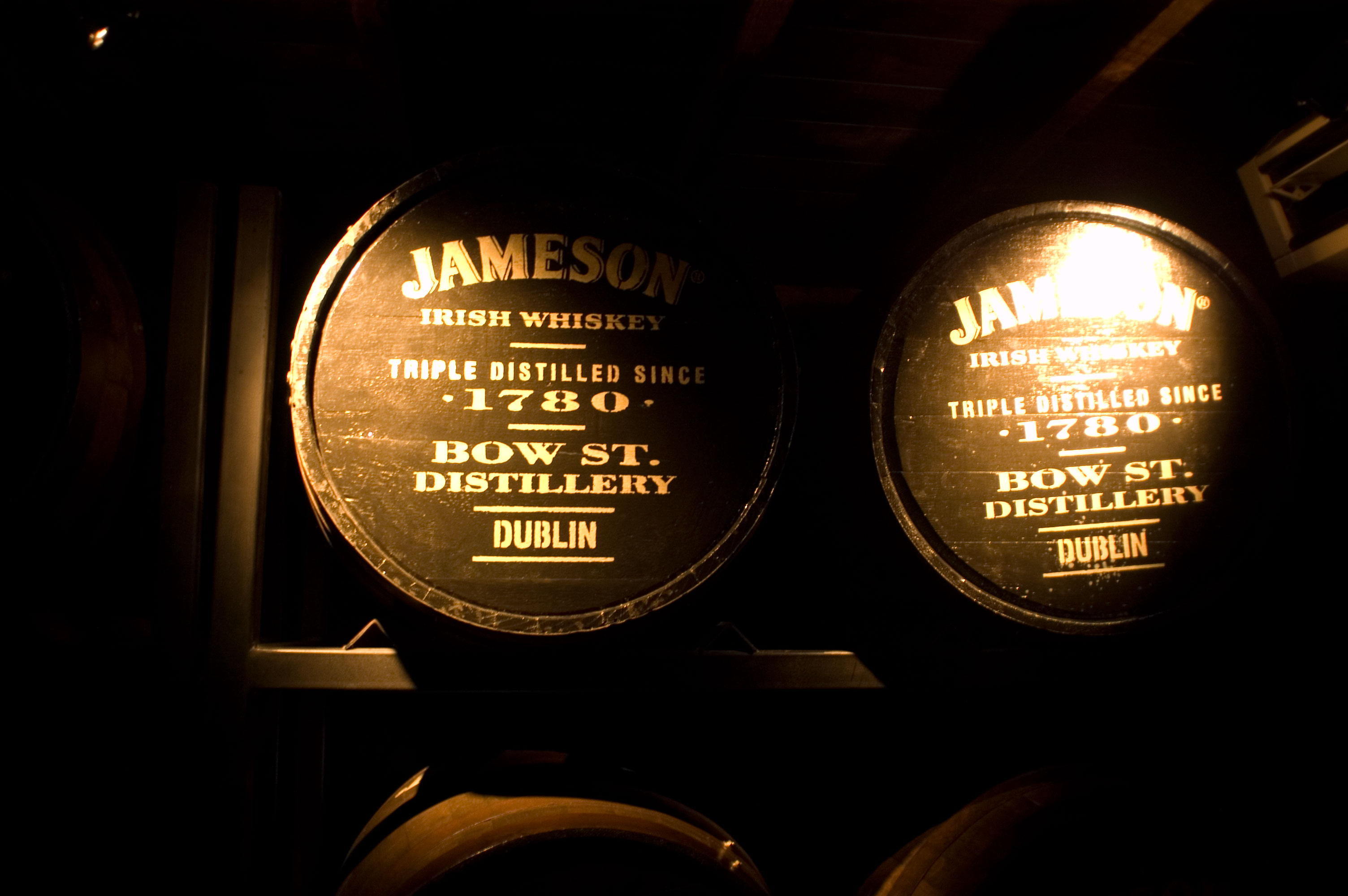
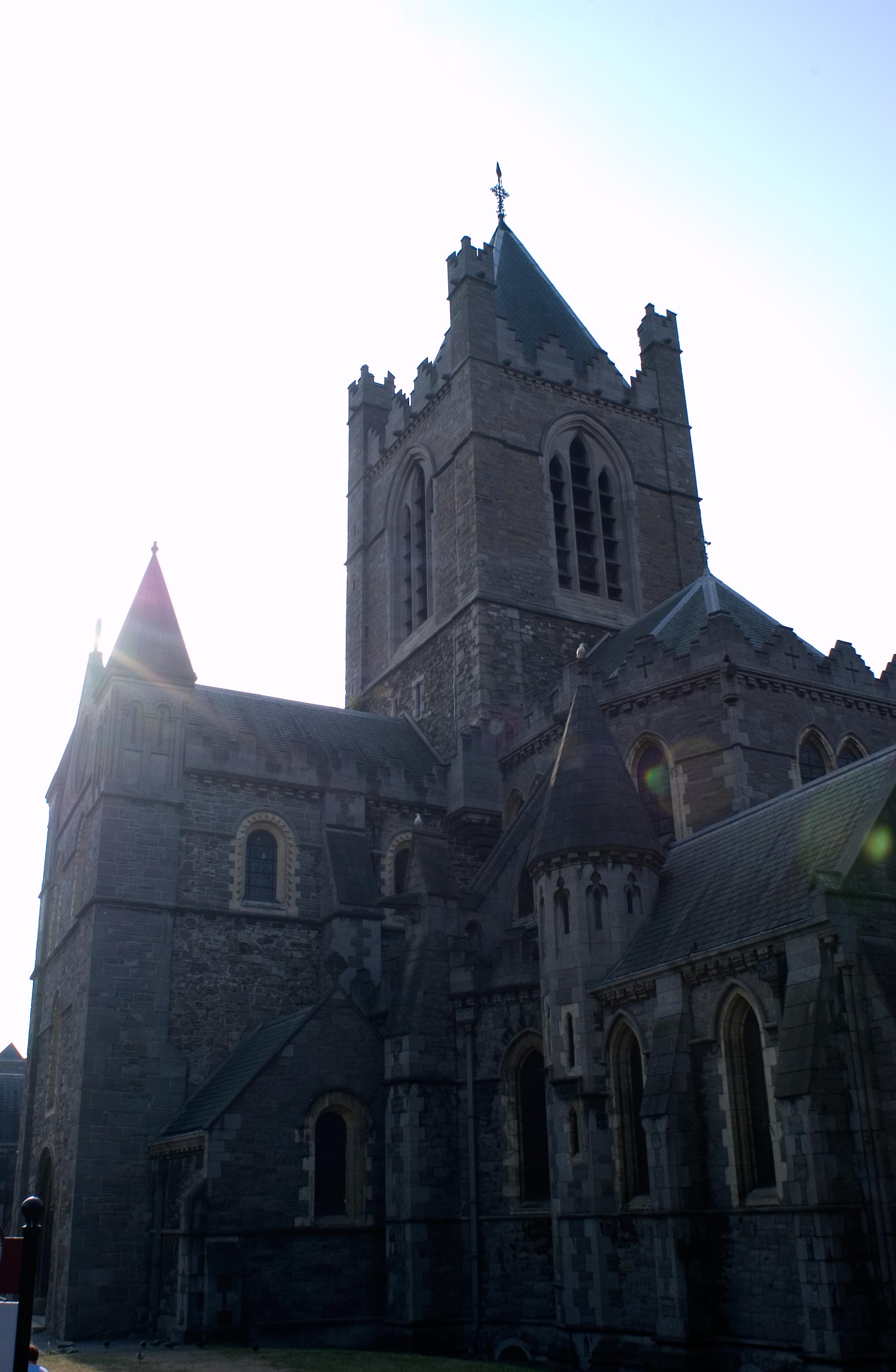
Day two I hopped on-board a Red City Sightseeing Bus and enjoy the freedom to explore Europe’s friendliest city across two great routes. This gave me ample time to visit attractions in Dublin such as Trinity College, Dublin Castle, The Guinness Storehouse & Kilmainham Gaol, to name but a few. The close proximity of Dublin’s main attractions mean that each stop on the tour offers lots of activities. Commentary via witty & knowledgeable driver/guides was a great touch! Also spend a good while on foot exploring the pubs, The Christ Church Cathedral, The Dublin Castle, Guinness Storehouse and Jameson Distillery.
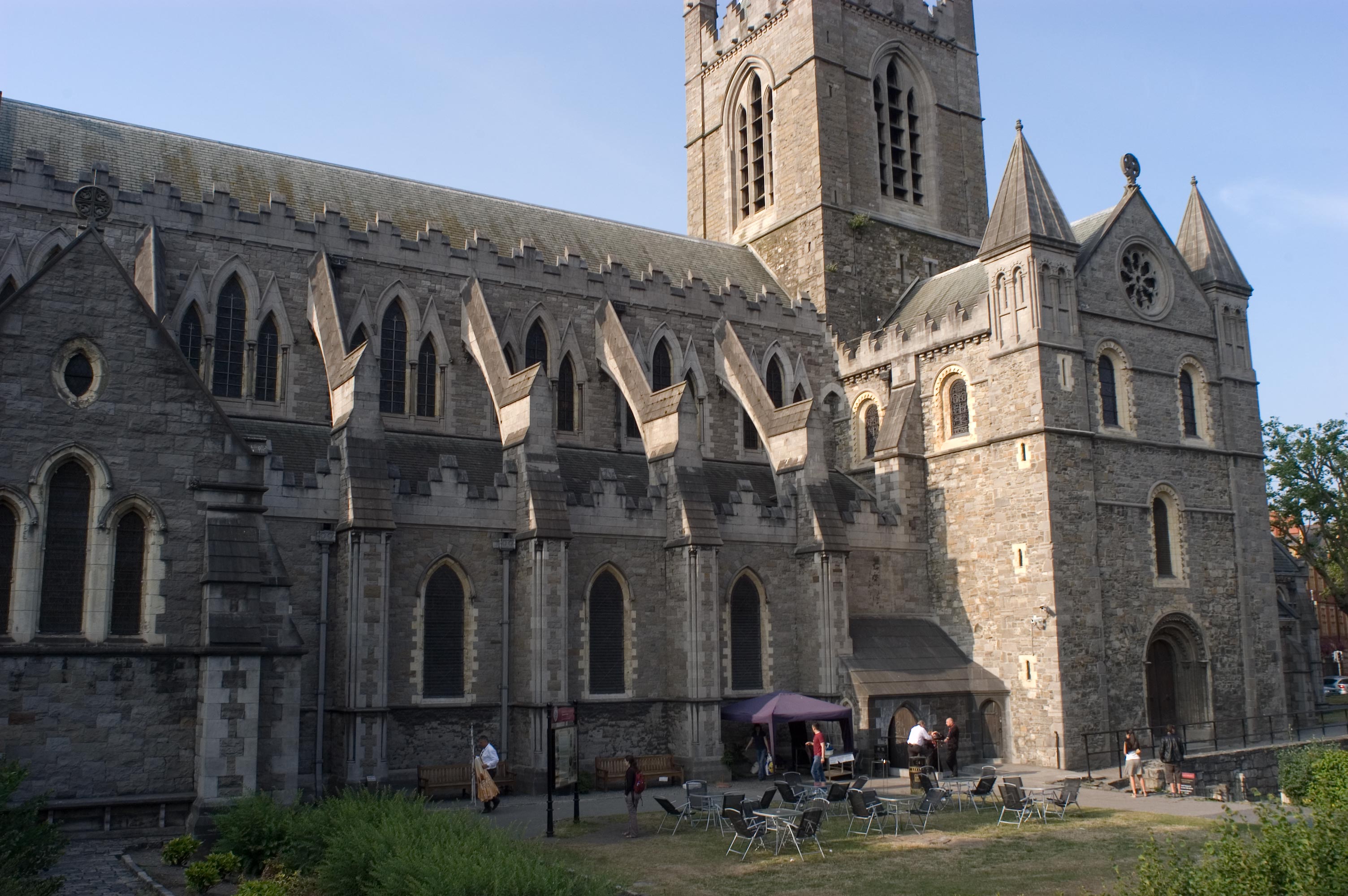
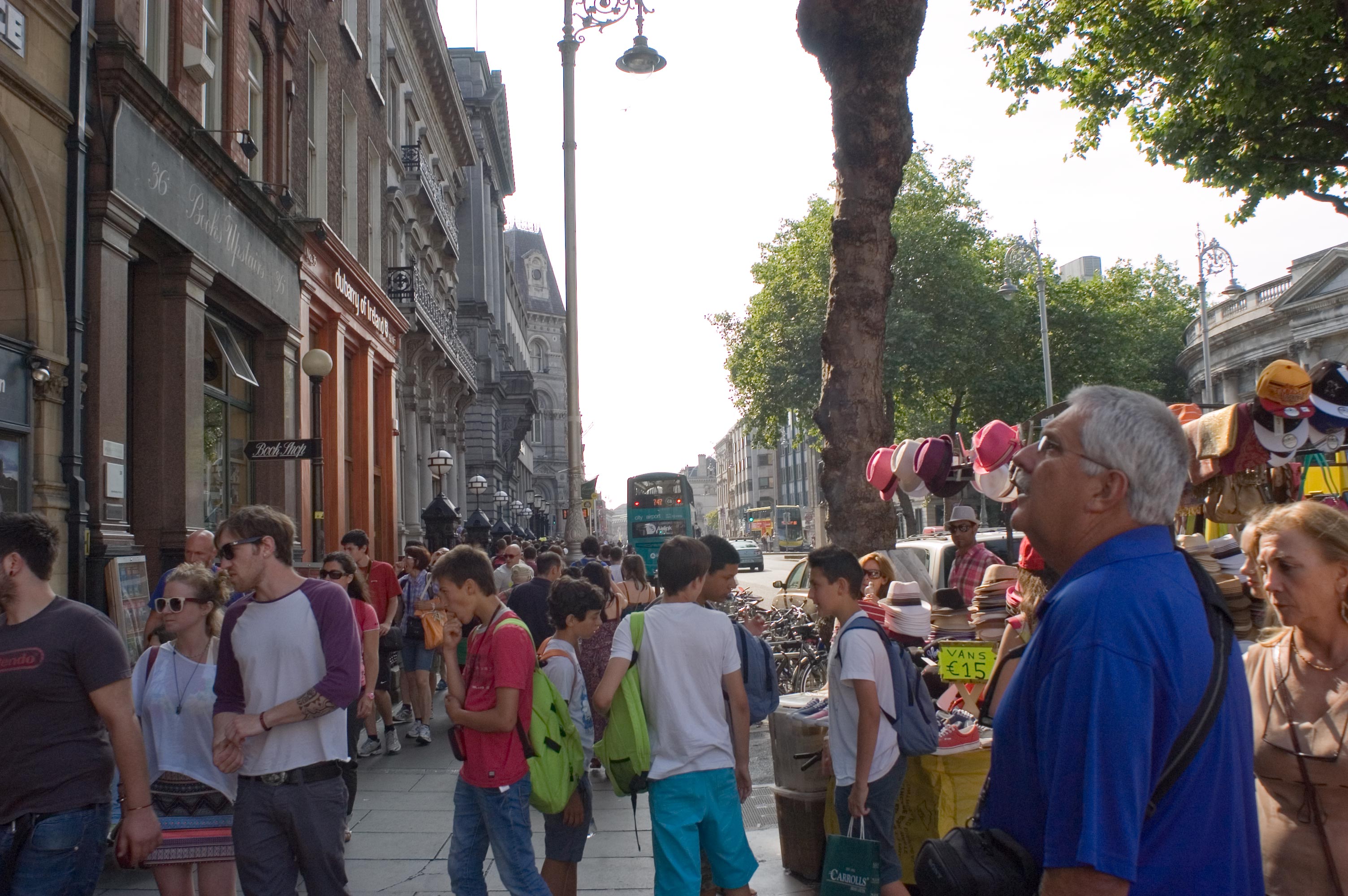
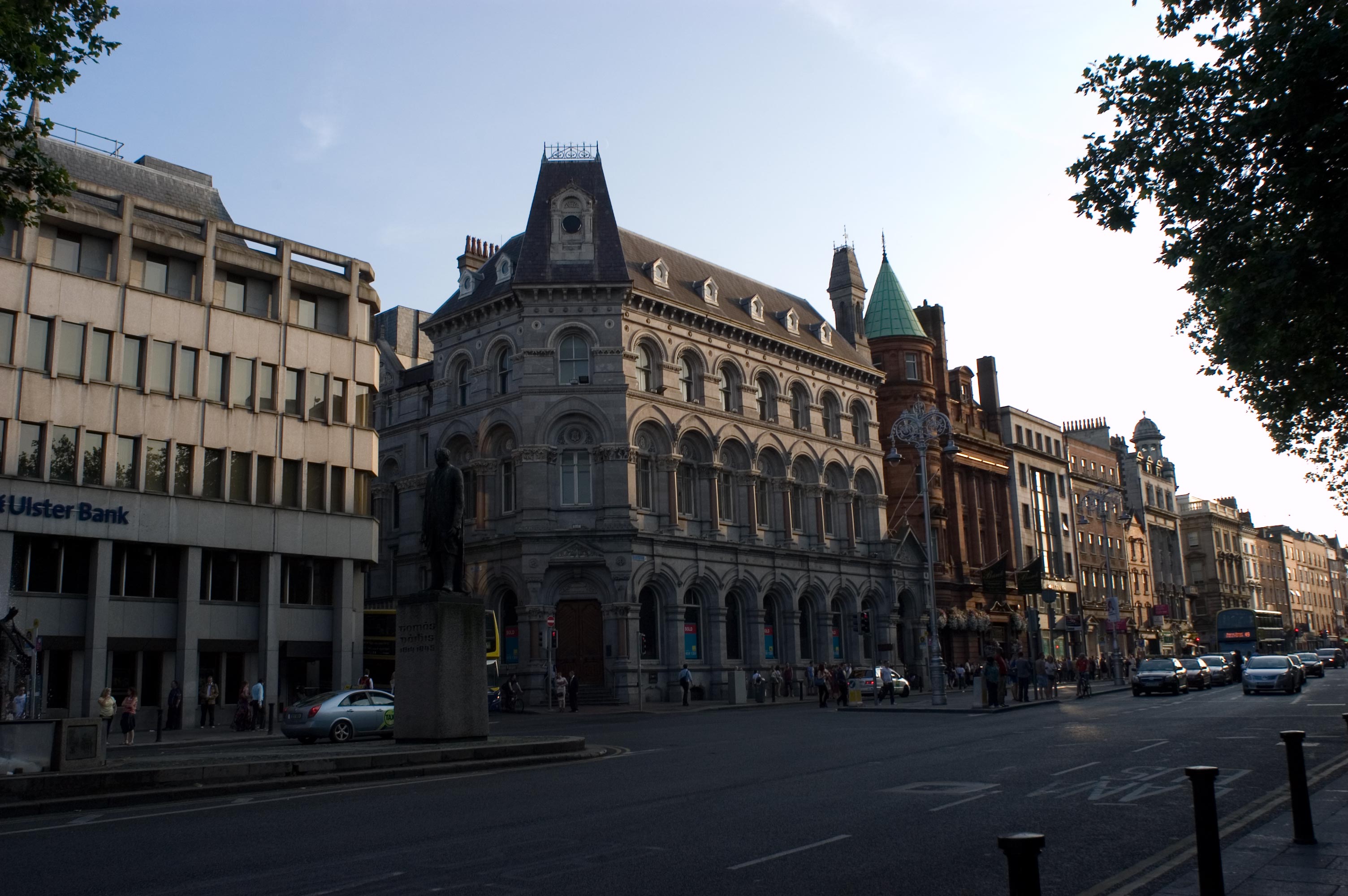
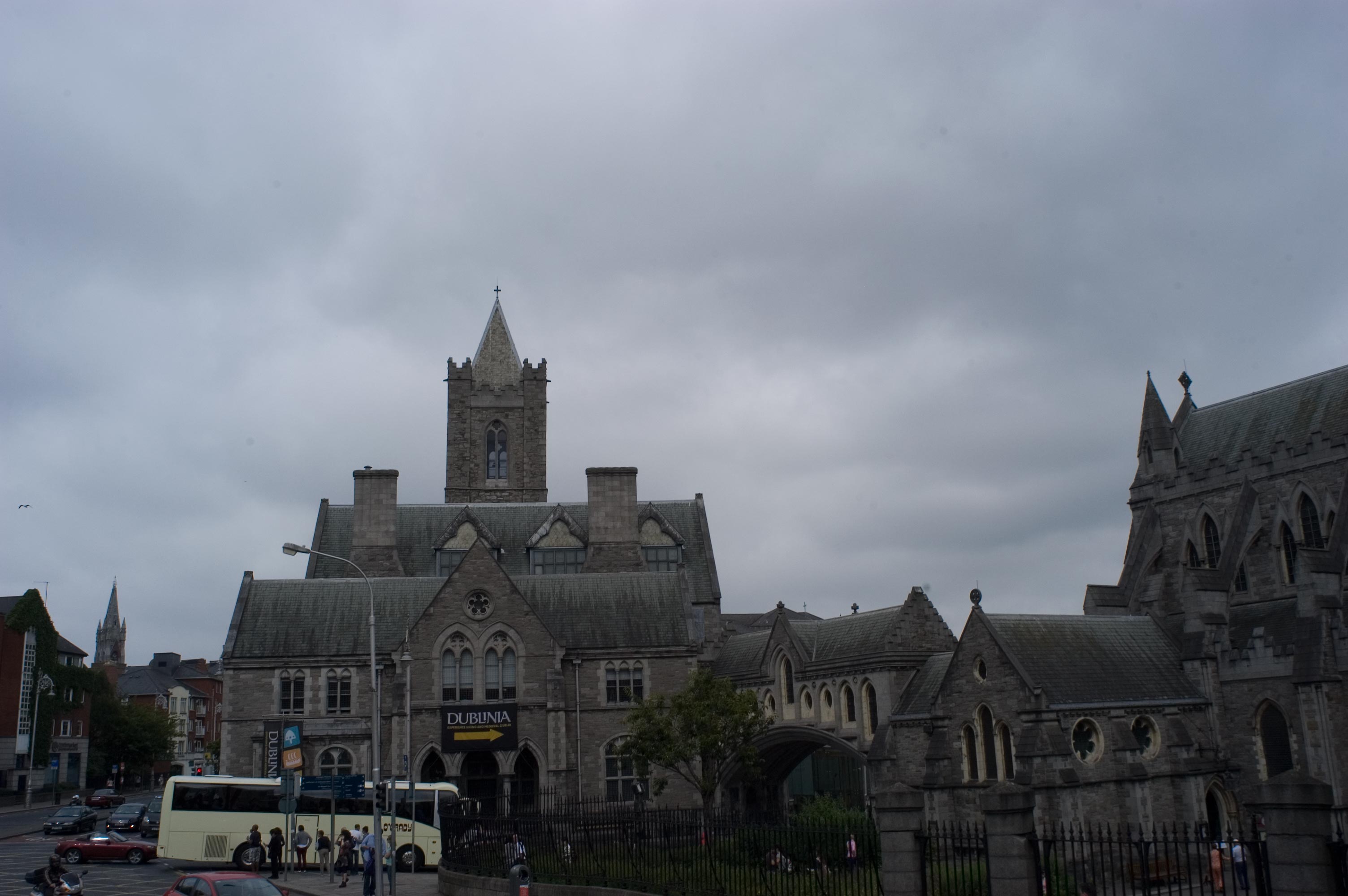
You can seriously get lost spending your time strolling the streets soaking up the atmosphere, relaxing in its cafes and bars or you could check out its myriad historical, literary and cultural delights. The 8th century illuminated manuscript. Trinity College, Ireland’s first university in the heart of Dublin. Founded in 1592 by Queen Elizabeth 1st, it is one of the oldest universities in the British Isles, and the very oldest in Ireland. Standing on a self contained site in the very heart of Dublin, the College itself covers some 35 acres of cobbled squares and green spaces surrounded by buildings which represent the accumulated architectural riches of nearly three centuries. Although Trinity offers much of interest to the visitor, the crown jewel is without doubt the Book of Kells. The Book is an ‘illuminated manuscript’, globally celebrated for its lavish decoration. The manuscript contains the four Gospels in Latin based on a Vulgate text, written on vellum (prepared calfskin), in a bold and expert version of the script known as ‘insular majuscule’. Written in the 9th century, it has been on display in the Old Library at Trinity College Dublin from the mid-19th century, and attracts over 500,000 visitors a year.
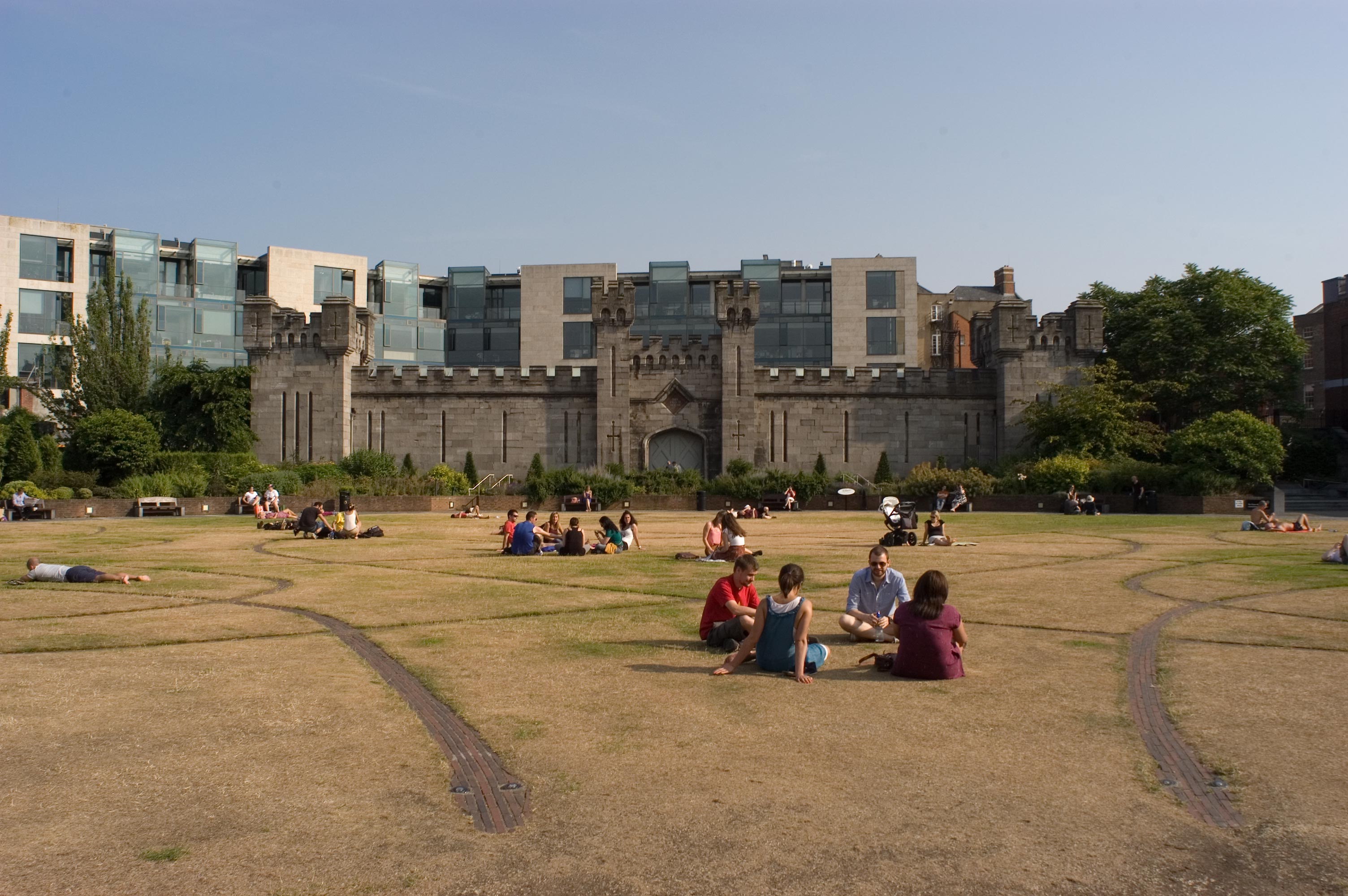
Since its foundation in 1204 Dublin Castle has been at the heart of the history and evolution of the city. Today, spanning an area of over 44,000 square meters (11 acres), the site contains 2 museums, 2 cafés, an international conference centre, 2 gardens, Government Buildings and the State Apartments which are the most important state rooms in the country. The grounds of the site are free to explore, as is the Chapel Royal, the Chester Beatty Library, the Garda Museum and the Revenue Museum. Access to the State Apartments is by guided tour only and tickets may be purchased from the Apartments in the Upper Castle Yard.
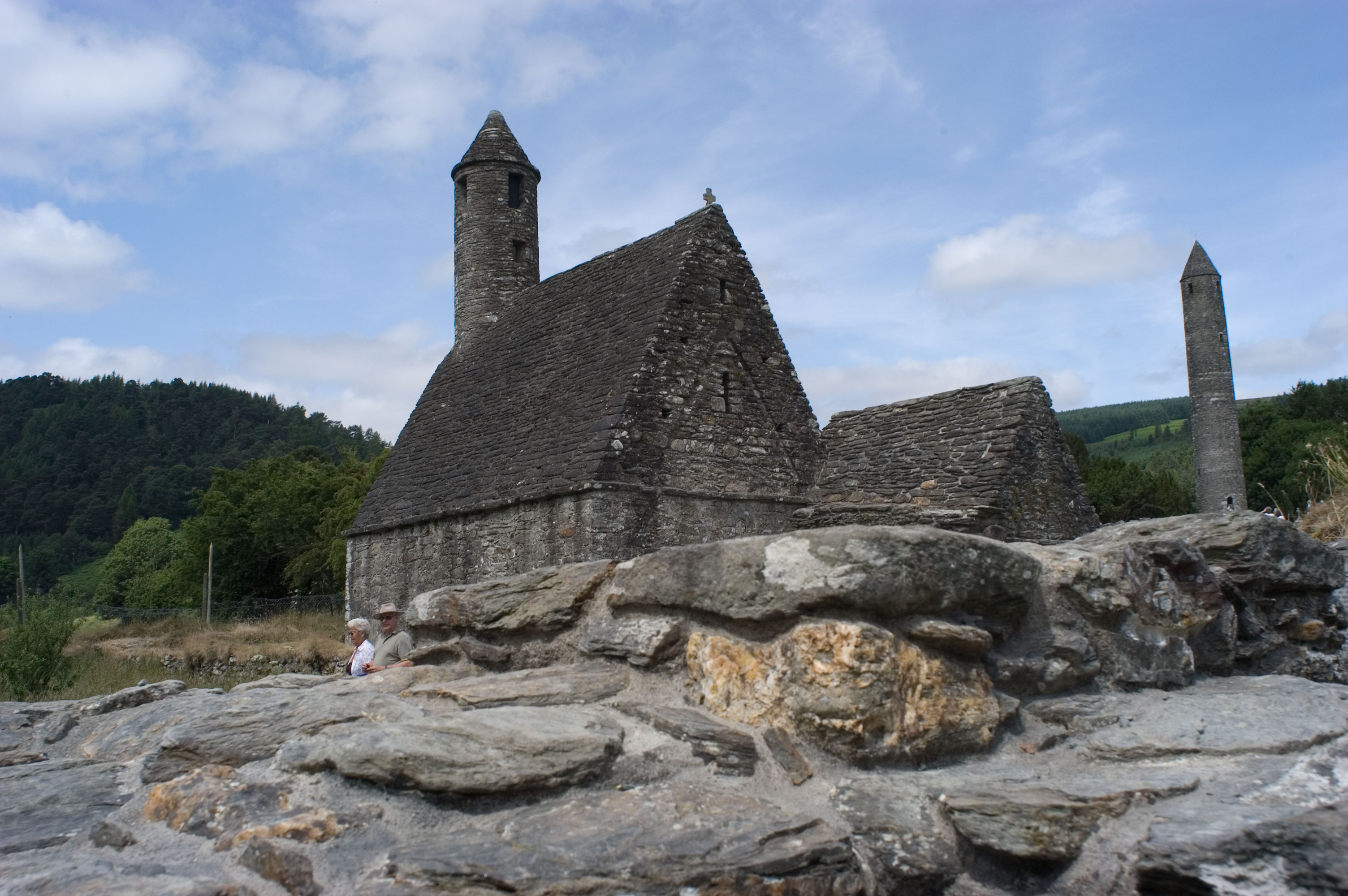
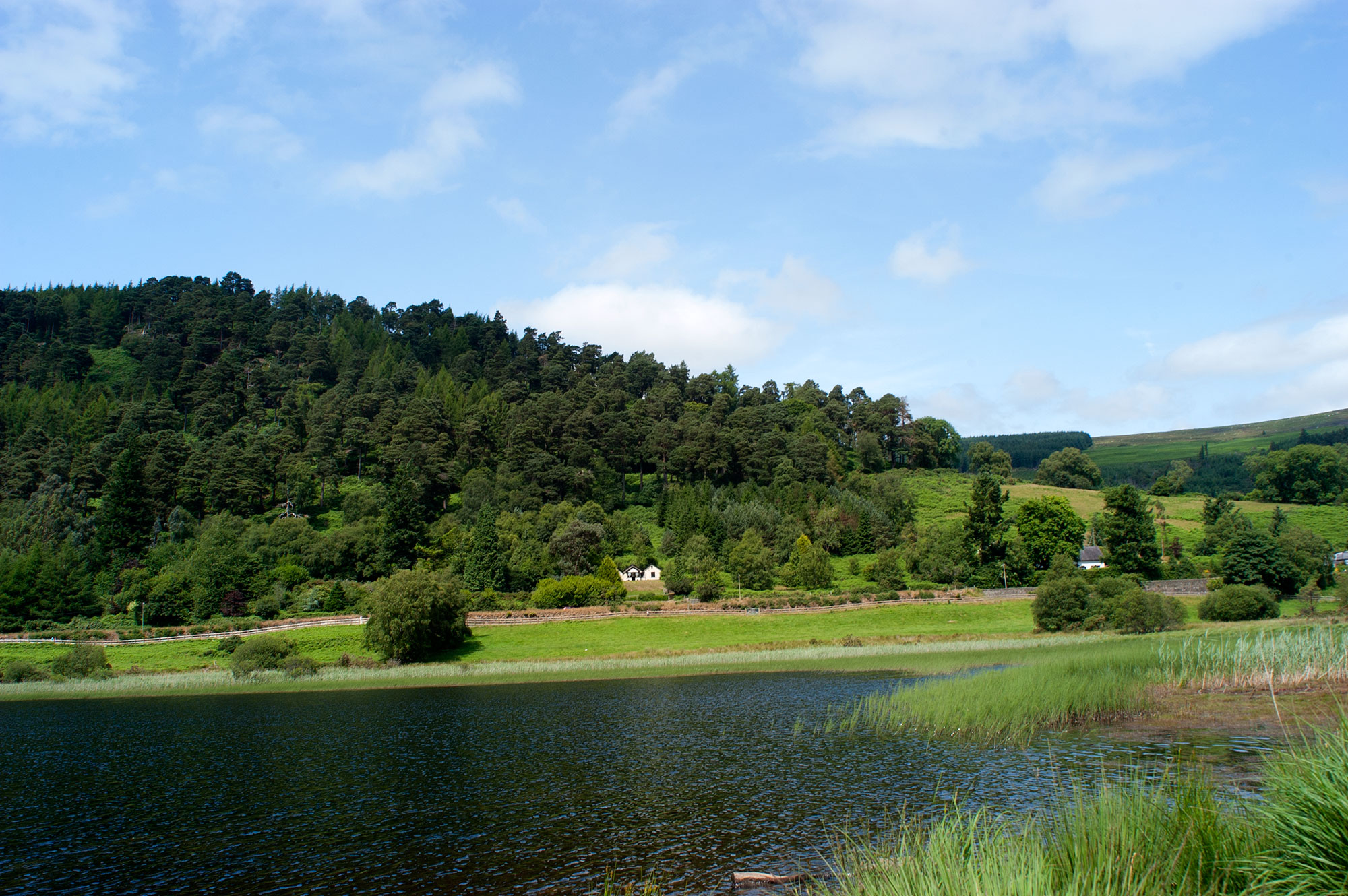
Glendalough, County Wicklow
Glendalough is located in County Wicklow, in the east of Ireland – just 1 hour south of Dublin City. Scenically nestled in the Wicklow Mountains, Glendalough is served by a network of small country roads. Glendalough (“The Glen of the Two Lakes”), is the site upon which St. Kevin founded a unique monastic settlement in the 6th century. Most of what remains of the settlement is in ruins but the Round Tower at Glendalough, built as a refuge from marauding Vikings, is over a 1000 years old and is remarkably well preserved. The site itself is set next to two clear water lakes beneath the sheer cliffs of a deep glacial valley. It is one of the most serene and beautiful places in all Ireland and it is easy to see why the monks picked it for a place of prayer and contemplation. There are a myriad of walking trails throughout the area making it a truly invigorating place to spend the day.
Kilkenny, County Kilkenny
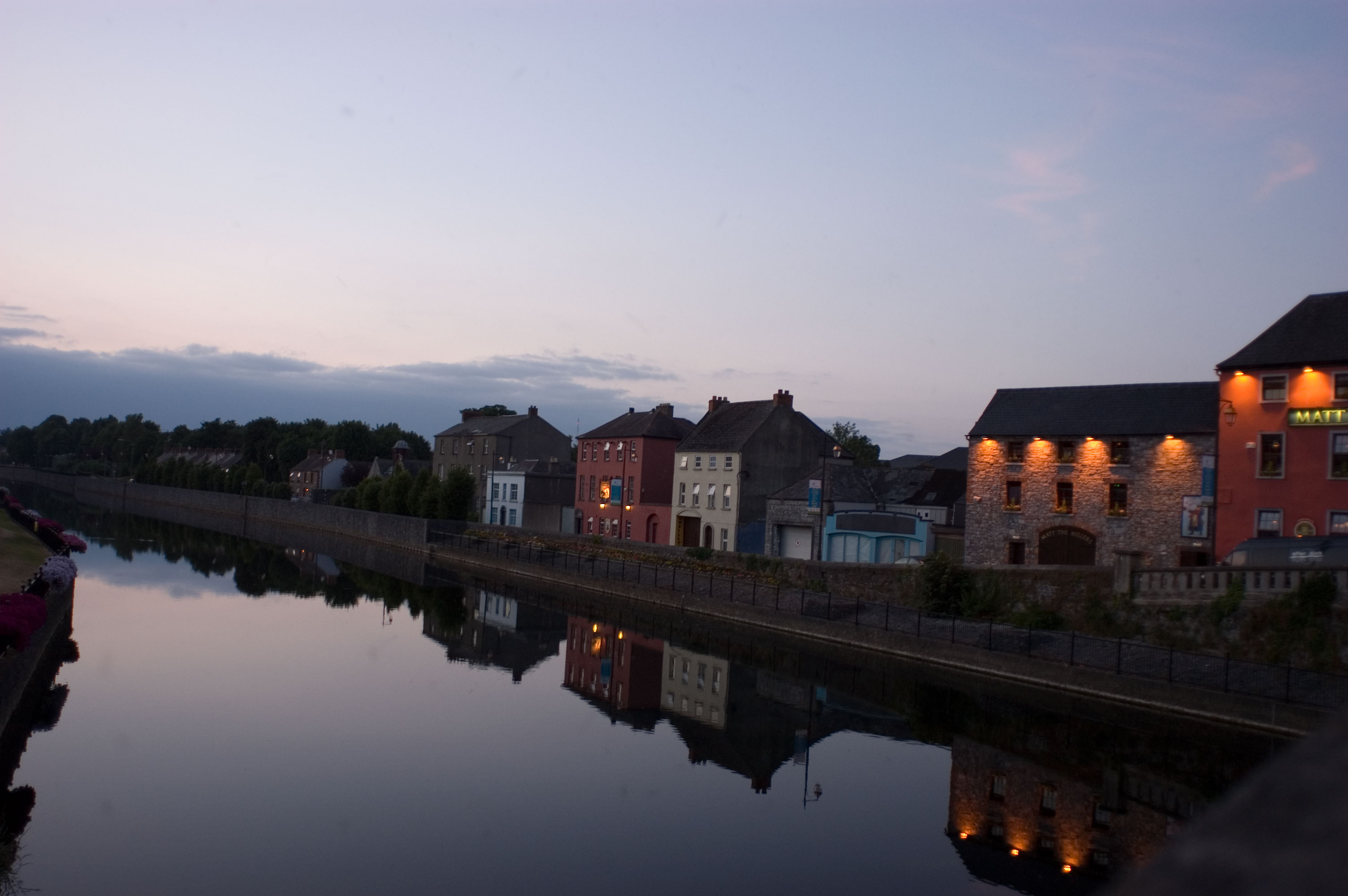
Kilkenny, or the Marble City as it is known, is one of Ireland’s oldest towns, and proud of it. Its array of ancient buildings is unrivalled. It is renowned for being a vibrant cultural center, devoted to the musical and visual arts. Its two most impressive landmarks are Kilkenny Castle, founded in 1172 and privately owned until 1967, and St. Canice’s Cathedral. The current structure of the cathedral dates from the 13th century, though this is nowhere near the beginning of its story, which is rich in folklore and legend. There is no shortage of pubs to explore and enjoy in Kilkenny and during the summer the city is always full of life.
Kilkenny Castle
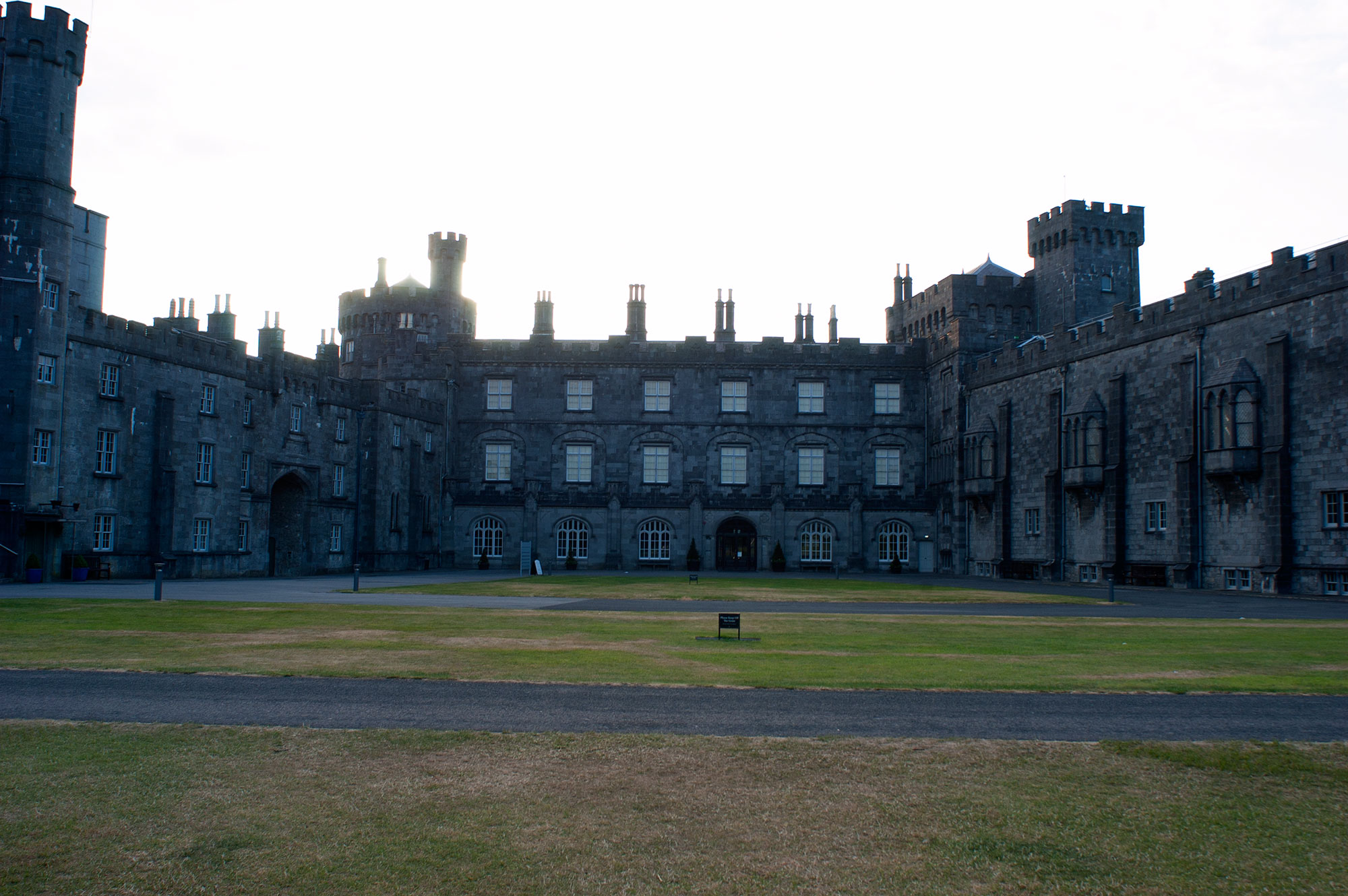
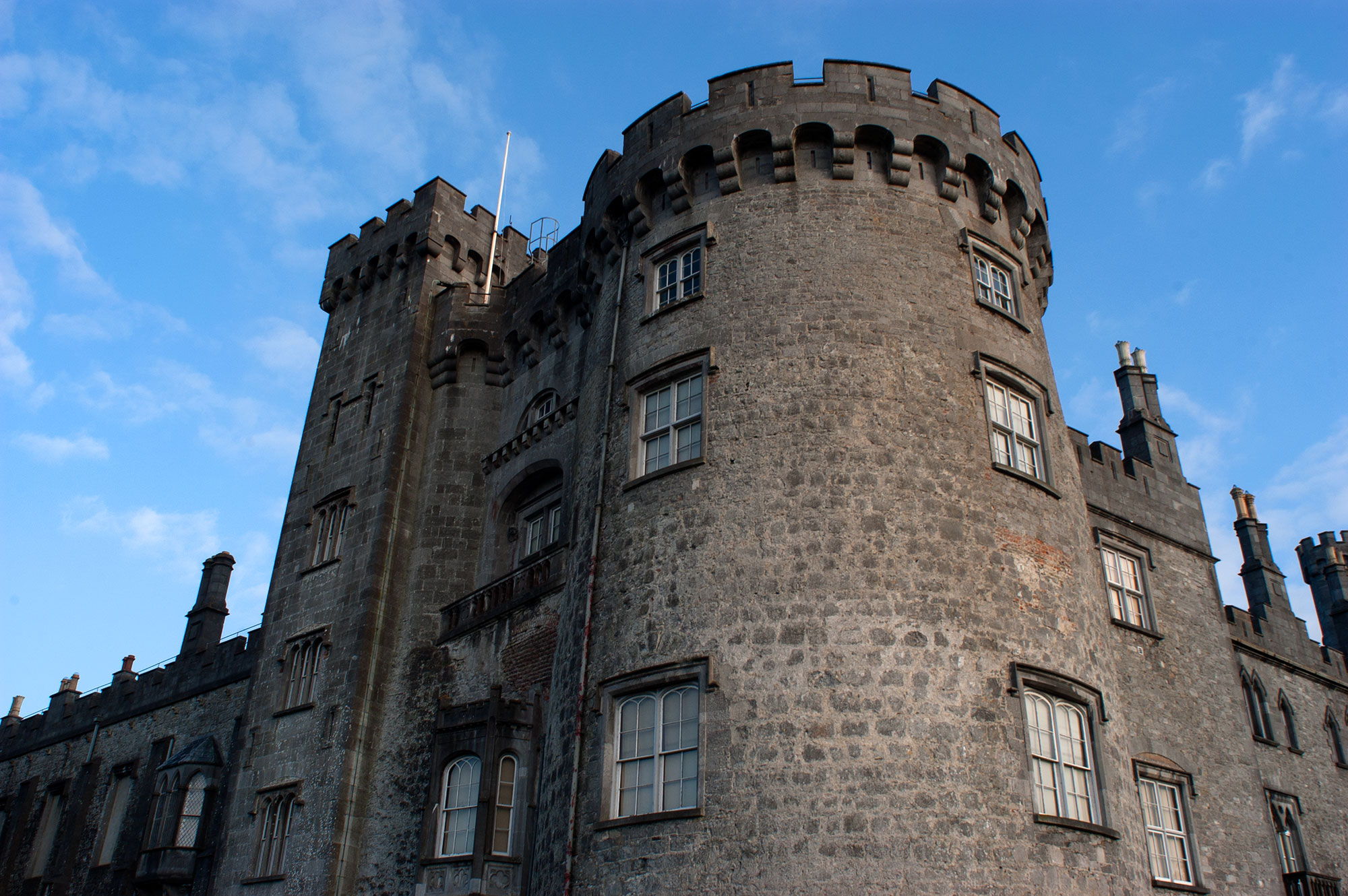
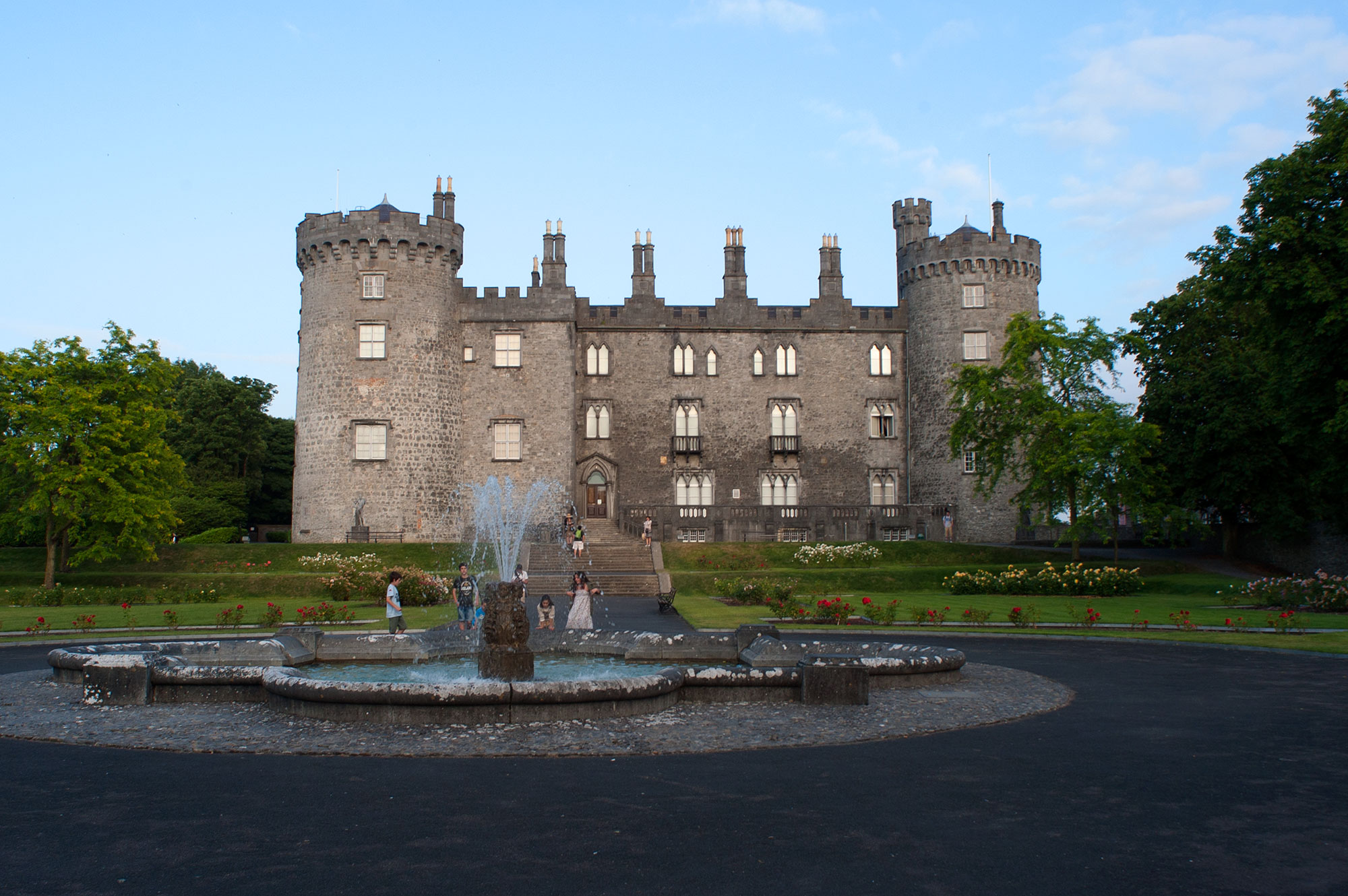
Kilkenny Castle stands dramatically on a strategic height, commanding a crossing of the River Nore and dominating the ‘High Town’ of Kilkenny City. Over the eight centuries of its existence, many additions and alterations have been made to the fabric of the building, making Kilkenny Castle today a complex structure of various architectural styles. The original castle was constructed in the early 13th century for the 4th Earl of Pembroke. The Castle later became the principal Irish residence of the powerful Butler family, and remained so for almost 600 years from 1391 to 1967. The Butler ownership ended when Arthur, 6th Marquess of Ormonde (1893-1971), presented it to the people of Kilkenny in return for a token payment of £50. Due to major restoration works, the central block now includes a library, drawing room, and bedrooms decorated in 1830’s splendour, as well as the beautiful Long Gallery. A suite of former servant’s rooms is the Butler Art Gallery, which mounts frequently changing exhibitions of contemporary art. The Parade Tower is the Castle’s conference venue.
Blarney Castle and Stone, County Cork
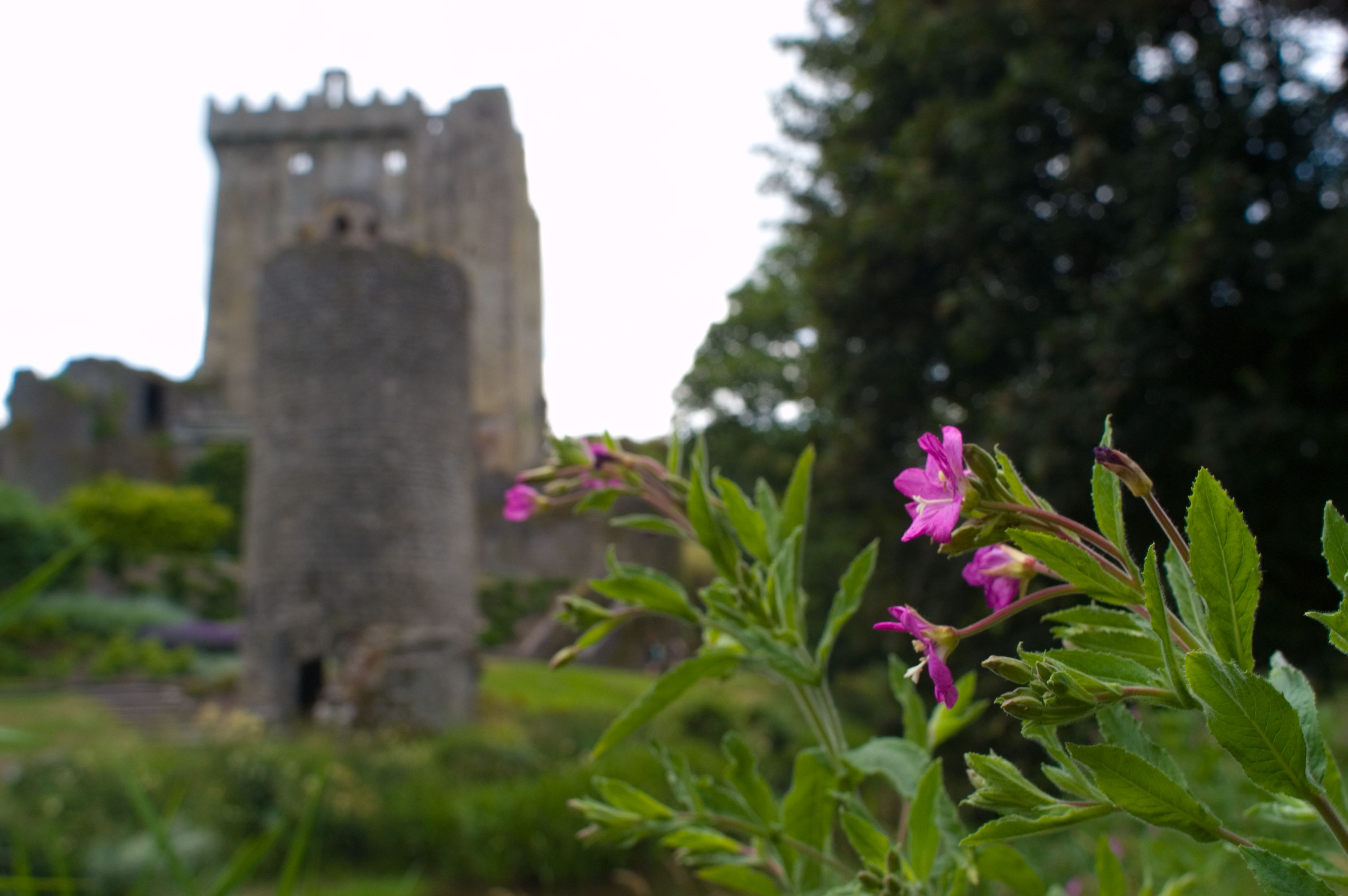
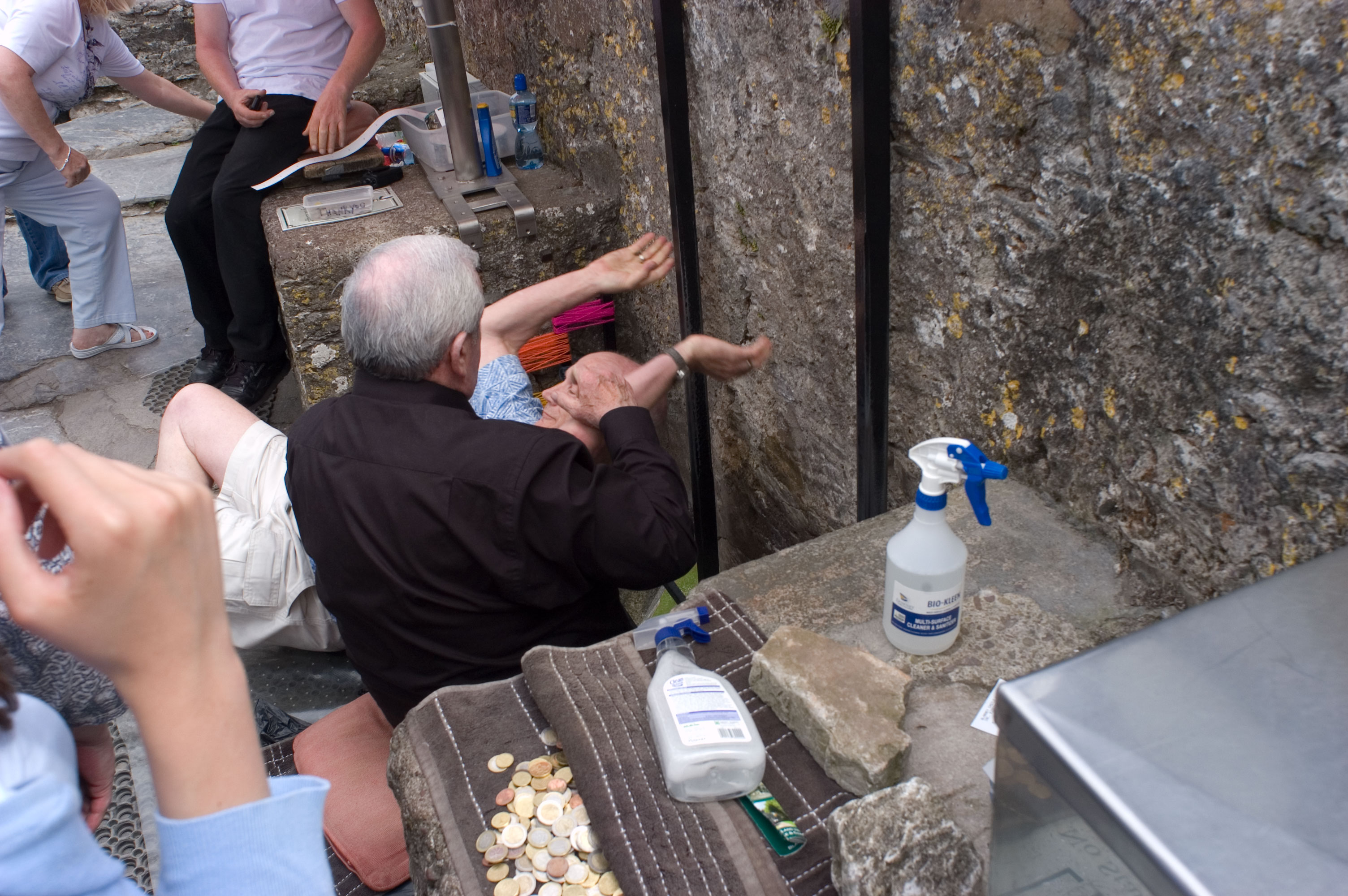
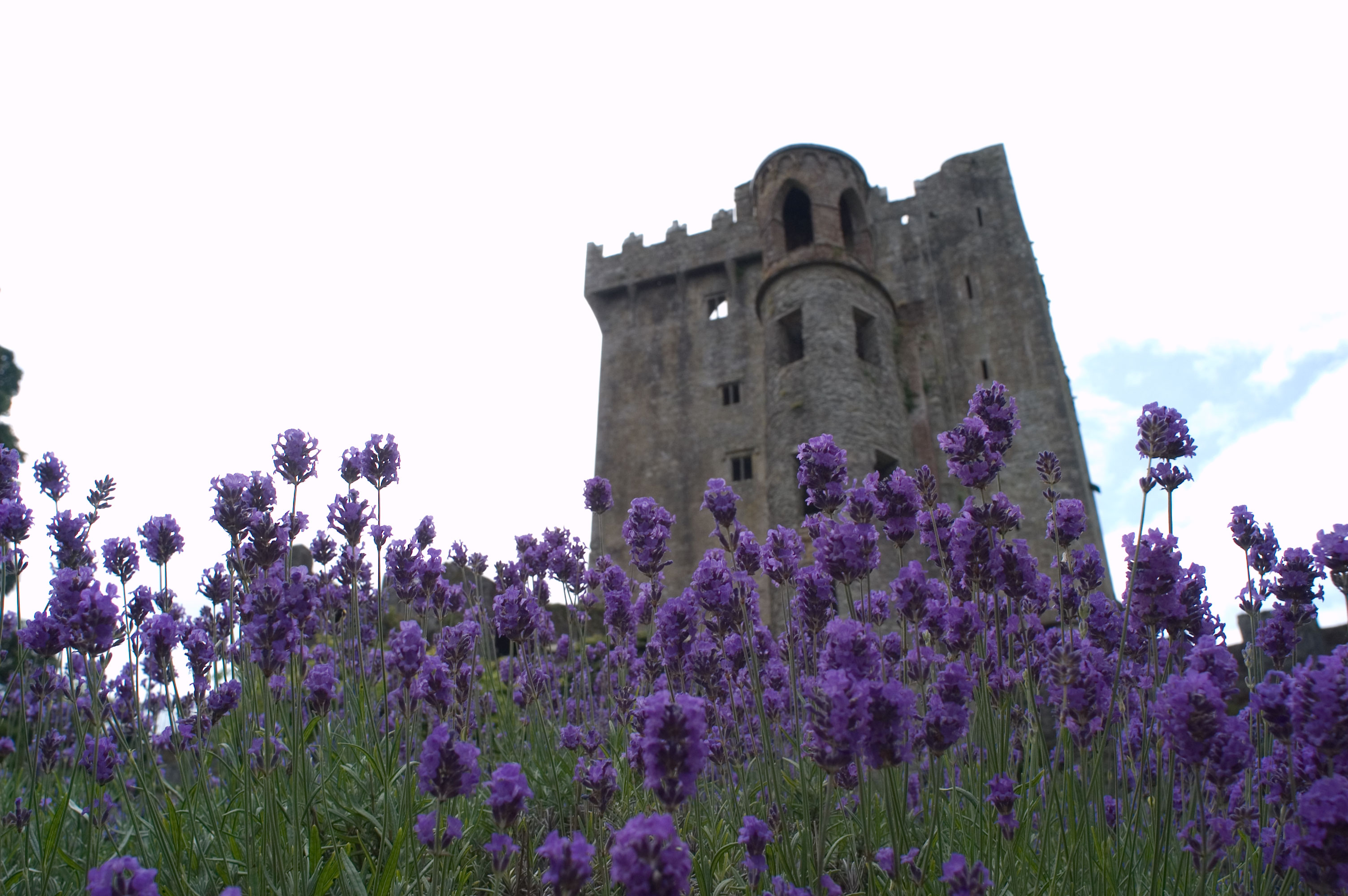
The impressive Blarney Castle, perched on solid limestone, dates from 1446 and is situated on magnificent grounds. The castle was constructed by one of Ireland’s greatest chieftains, Cormac MacCarthy, and has been attracting attention beyond Munster ever since.To acquire ‘The Gift of Gab’ one must kiss the Blarney Stone – located just beneath the battlements at the very top of Blarney Castle. This involves bending over backwards at quite a height – perhaps not to be attempted by the faint-hearted! Rumor has it that if you kiss the legendary ‘Stone of Eloquence’, you’ll never again be lost for words!
The Lake hotel
Killarney, County Kerry
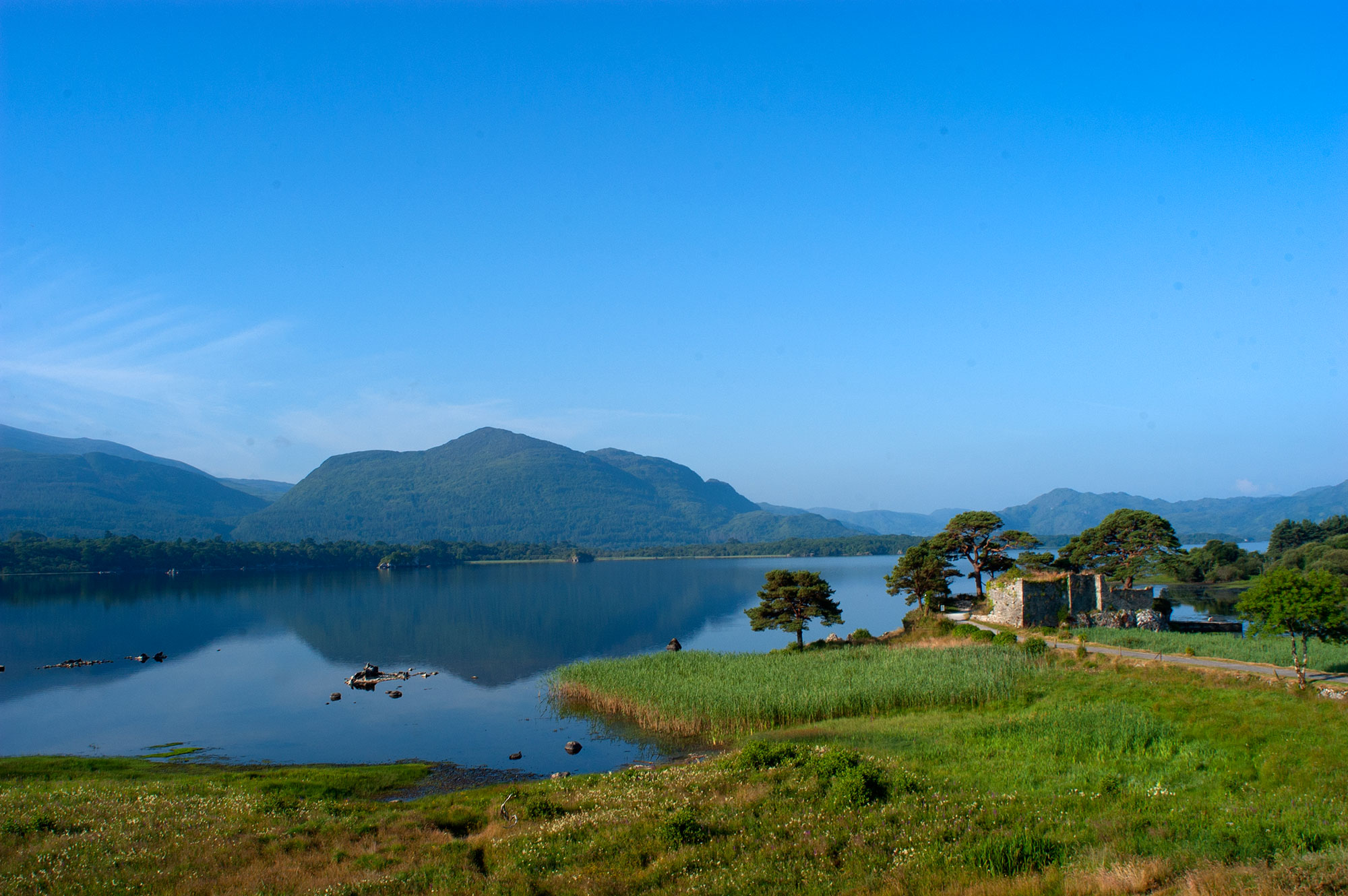
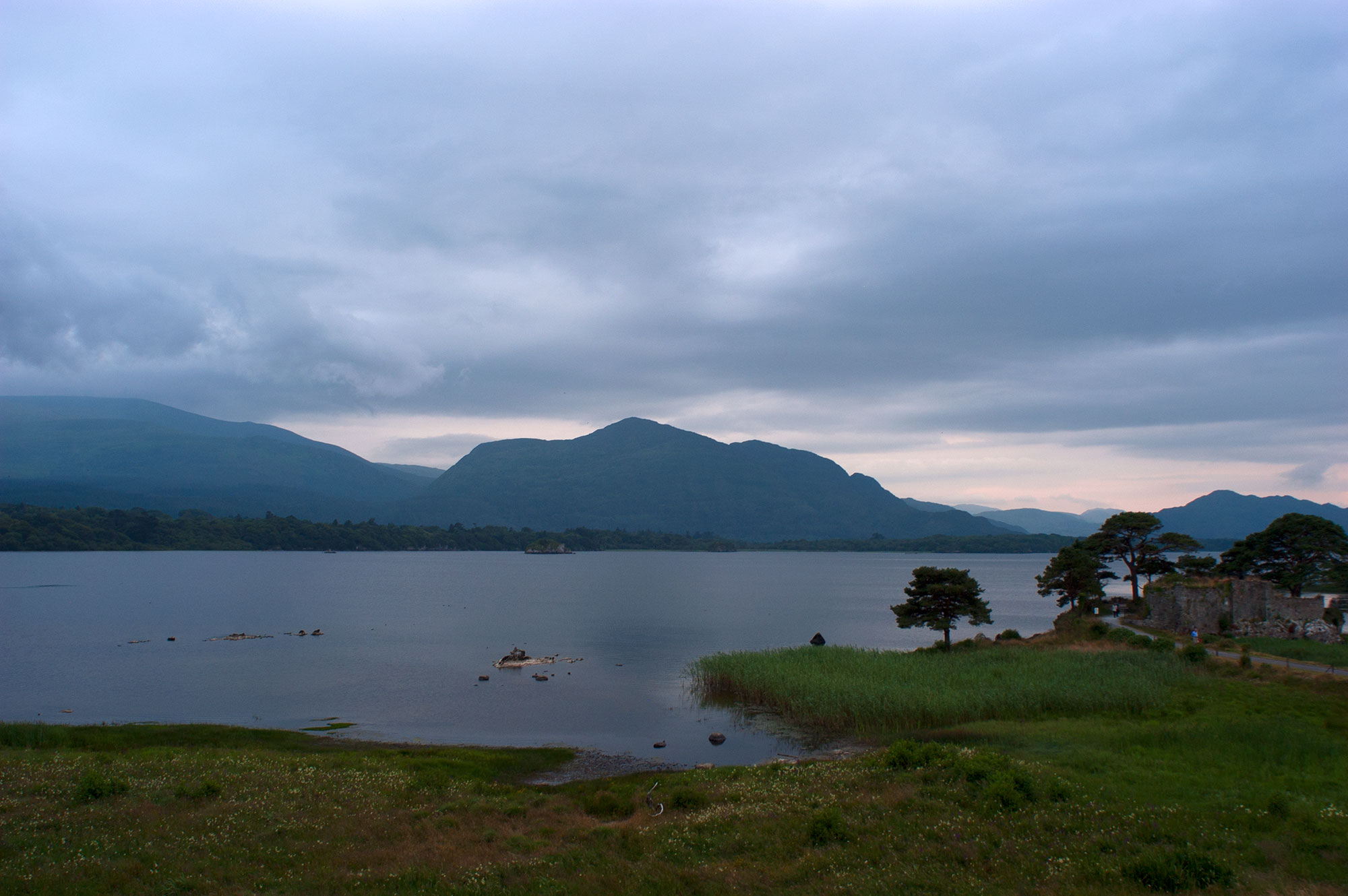
The Lake Hotel is a charming & friendly, family-run 4 star property, stunningly located on the shores of the world famous Lakes of Killarney. Built in 1820, The Lake Hotel combines a unique old world charm with all of the modern day conveniences and facilities one expects from a four star hotel. The hotel is located just 2 kilometres (1.25 miles) from the bustling and vibrant centre of Killarney town and the hotel is mere steps from the Killarney National Park. There is an abundance of activities available in very close proximity to the hotel, including golf courses, cycle paths, walking trails, horseriding, mountain climbing and fishing, to name but a few.
Killarney National Park, County Kerry
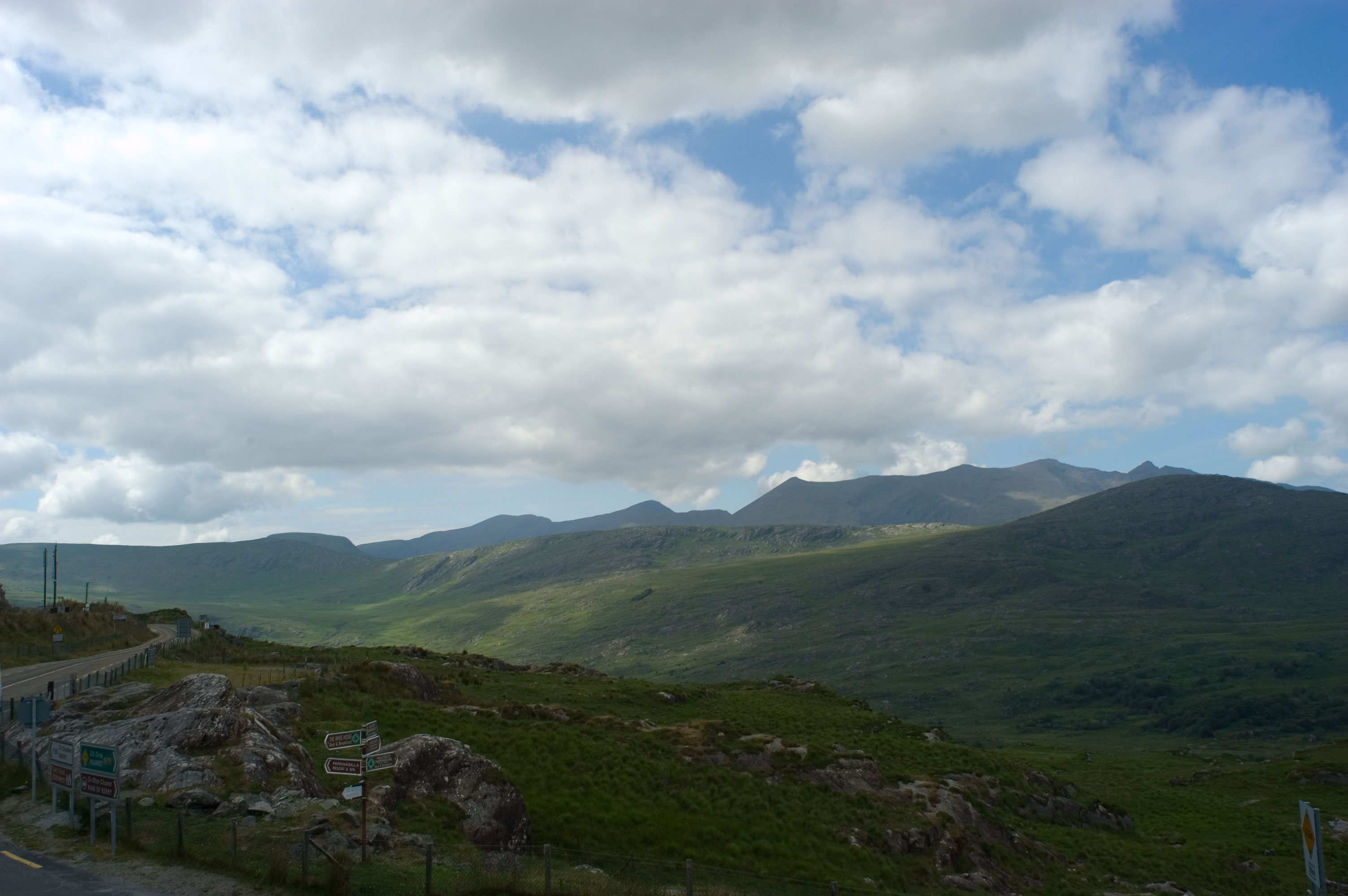
On the southwestern edge of Killarney Town lies an untamed, rugged & mountainous country. The area includes the McGillycuddy’s Reeks, Ireland’s highest mountain range. At the foot of these mountains nestle the world famous lakes of Killarney. Here, where the mountains sweep down to the lake shores, their lower slopes covered in woodlands, you’ll discover the 26,000 acre Killarney National Park . The distinctive combination of mountains, lakes, woods and waterfalls under ever changing skies, lends the area a special scenic beauty. The Park contains many features of national and international importance such as the native oakwoods and yew woods, together with an abundance of evergreen trees and shrubs. A profusion of bryophytes and lichens thrive in the mild Killarney climate. The native red deer are unique in Ireland, with a presence in the country since the last Ice Age. At the heart of the National Park is Muckross House and Gardens. The house, a late 19th century mansion features period furnishings and artefacts and is a major visitor attraction in itself. Killarney National Park was designated as a Biosphere Reserve in 1981 by the United Nations Educational, Scientific and Cultural Organisation (UNESCO).
Ring of Kerry, County Kerry
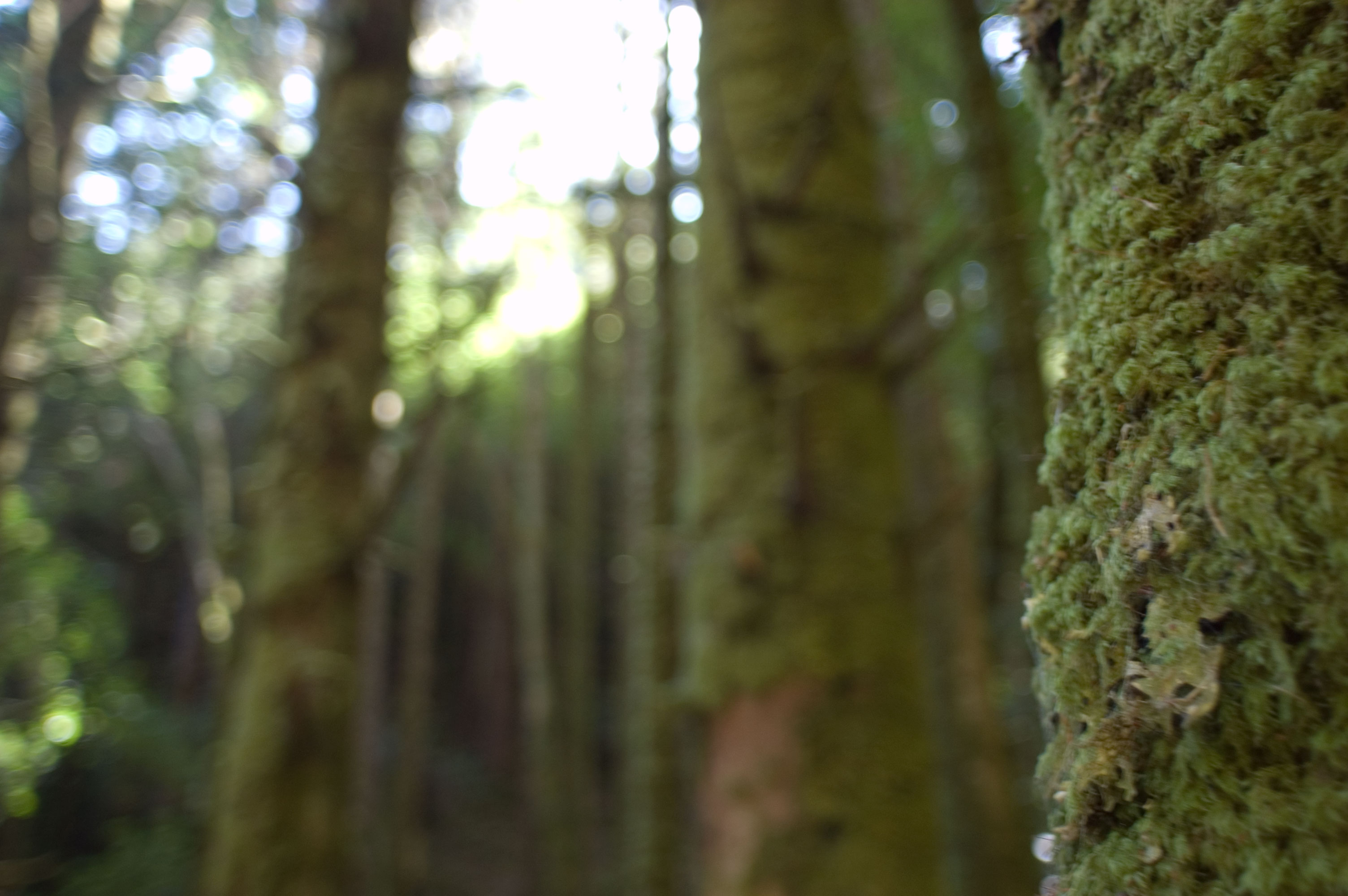
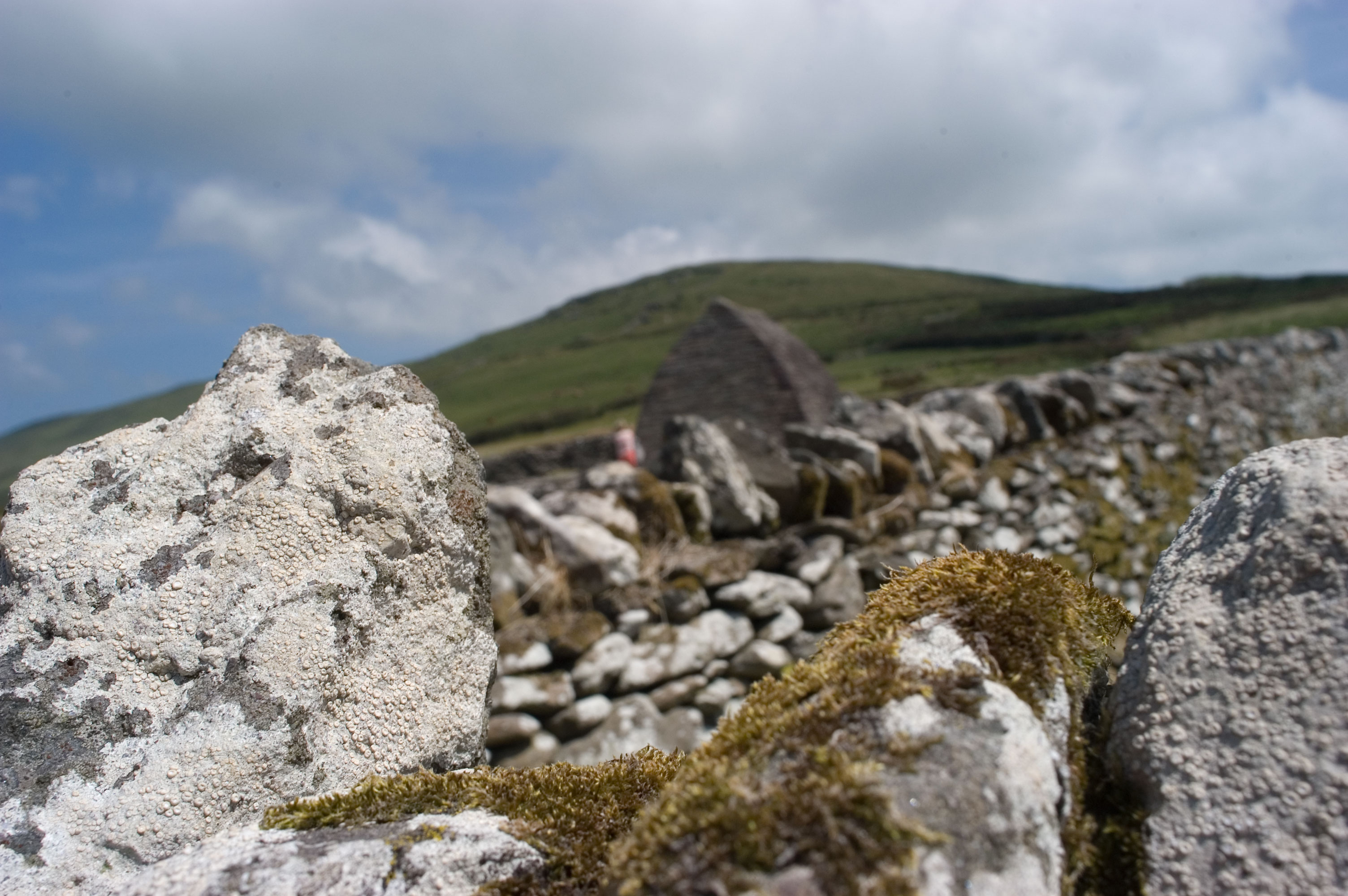
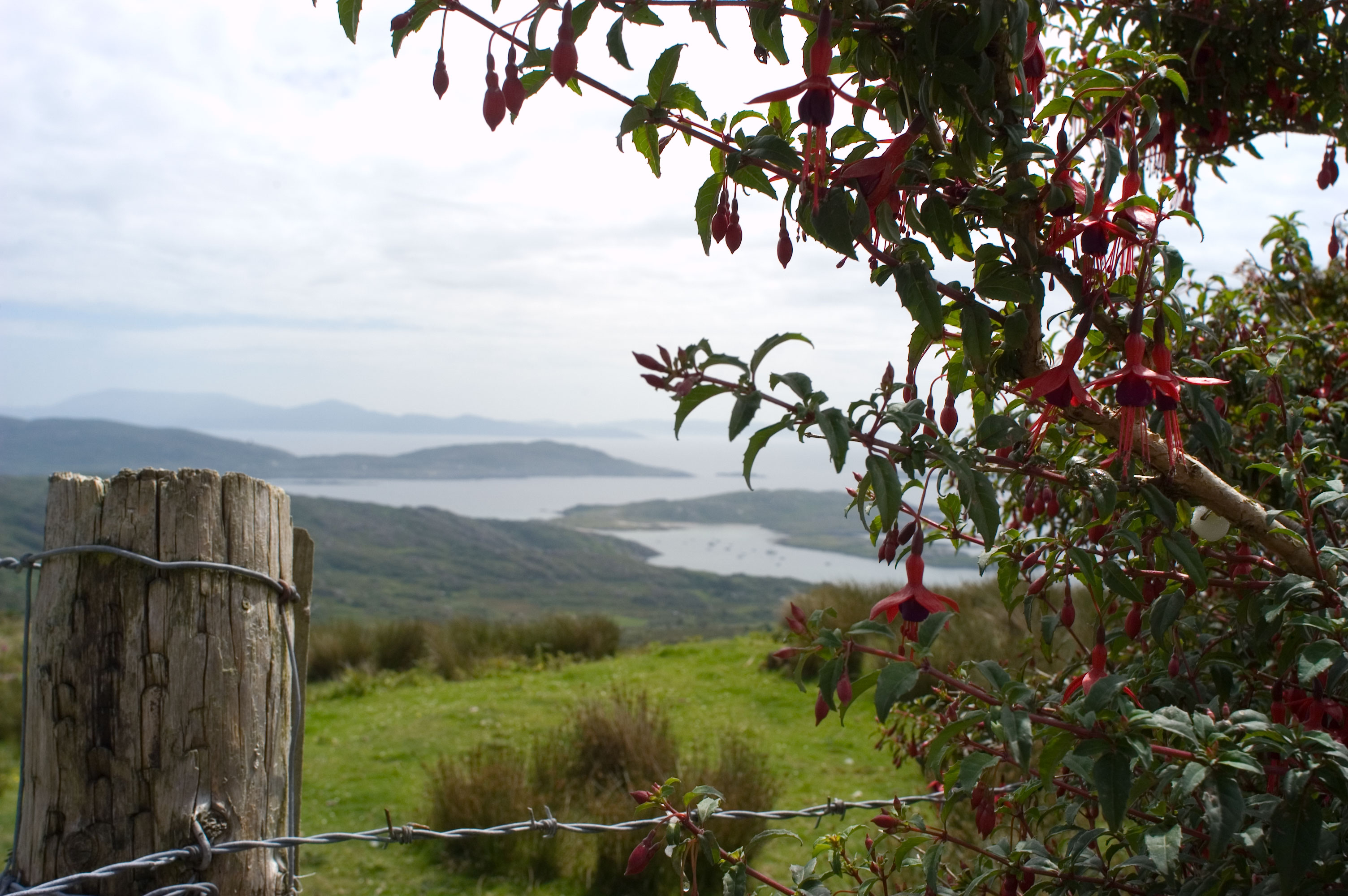
The Ring of Kerry is one of Ireland’s most scenic touring routes. At 110 miles long, it circles the awe-inspiring Iveragh Peninsula. You’ll feel as if you have moved into nature’s mystic arena, and truly you have, as you pass between soft mountains, through forest glades, around bogs, rivers, lakes and pristine beaches. The road between the magnificent MacGillycuddy Reeks Mountains presents secret passes and valleys dotted along the fabled shores of Dingle and Kenmare Bays. Ireland’s natural beauty sings throughout the Ring of Kerry. You may wish to explore several charming villages along the route, including Glenbeigh, Waterville, and Sneem. Stroll and talk to people—this is what makes your travel experience unique. The Ring attracted Ireland’s first settlers, and has a wealth of ancient sites. A 6th century monastery, clinging to the windswept cliffs of the Skellig Islands, is a UNESCO World Heritage site. Staigue Stone Fort is an Iron Age stronghold dating from 300BC. This is also an area of Ogham Stones, the first mysterious forms of writing and art, nestled along the Ring. Follow the drive to Killarney by way of the Ladies View and the legendary Lakes of Killarney and the National Park. The Ring of Kerry is the stuff of dreams and lifelong memories.
Bunratty Castle
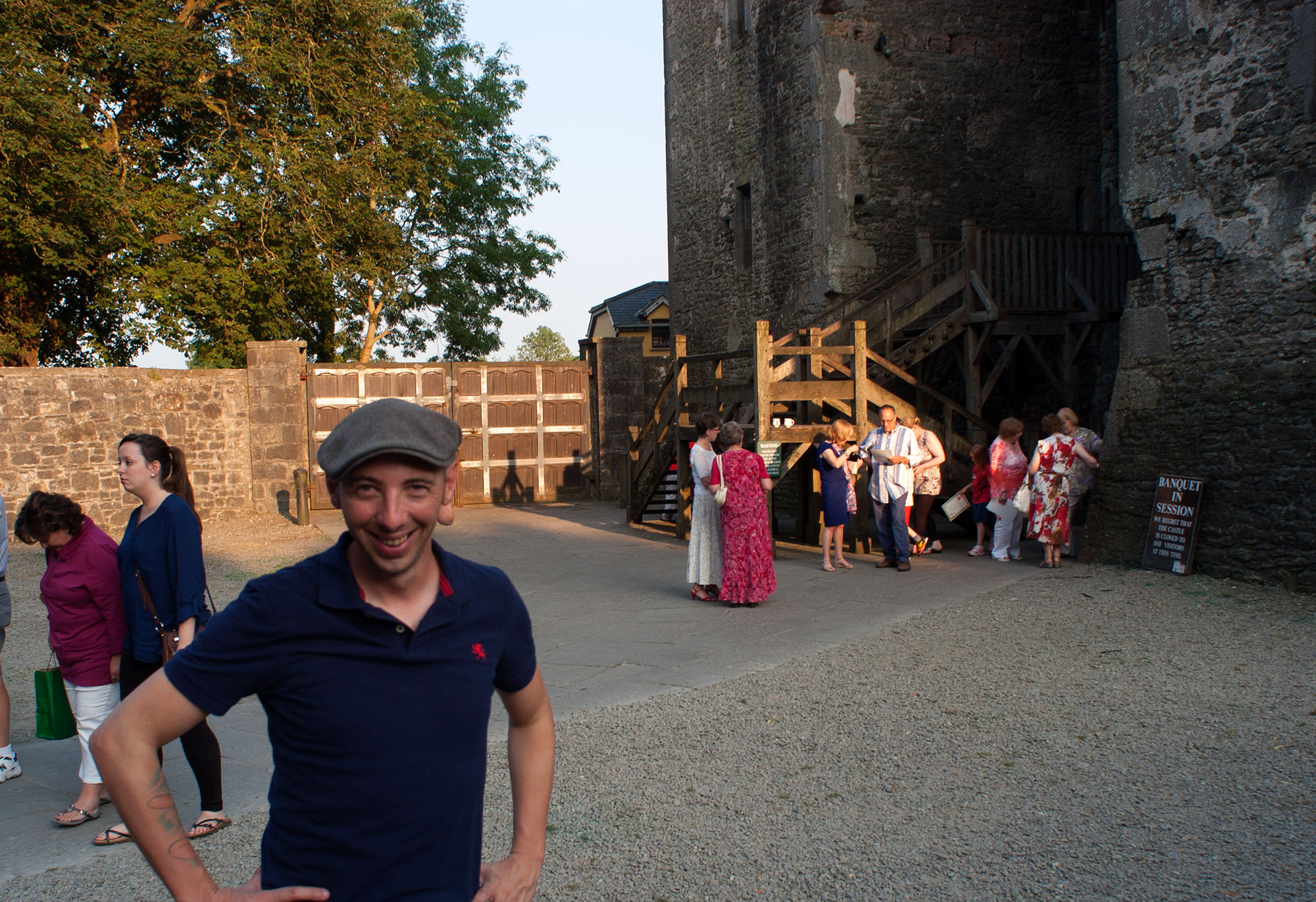
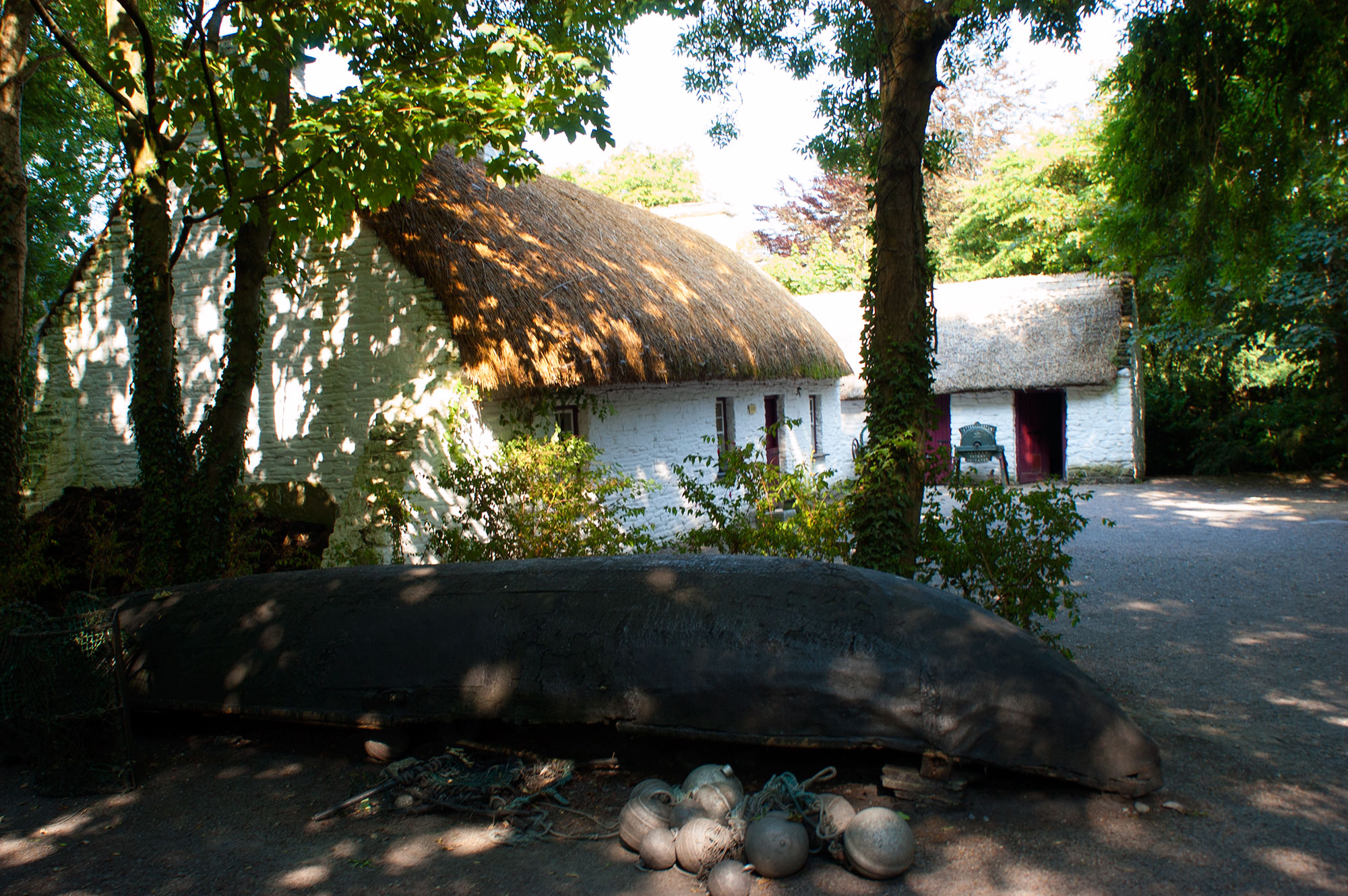
In Bunratty Village, one can enjoy the medieval grandeur that awaits in Bunratty Castle and its lively Folk Park. The castle, overlooking the River Shannon, is in excellent condition and well worth a visit. It is one of the finest surviving examples of an Irish tower house, and it’s current peaceful and picturesque state belies its bloody and violent history. The strategic location of the castle on the river Shannon ensured it was the focal point of many battles, and it has it has been destroyed and re-built on at least eight occasions. The Folk Park adjoins the castle and vividly portrays what everyday life was like in rural Ireland about 100 years ago. It contains reconstructed farmhouses, cottages and shops, replete with authentic furnishings. The Park is a living museum: animals are tended, bread is baked, milk is churned, walls are whitewashed and roofs are thatched. You may visit an Irish farmhouse, watch the blacksmith fit a horseshoe, or attend a weaving demonstration. The village also reflects the fundamental changes that led to increased mobility in Irish society. Once you’ve explored the Castle & Folk Park, be sure to sample a relaxing cup of tea and freshly baked scones in one of the quaint thatched cottage cafes. The famous Durty Nelly’s pub is in the heart of town, adjacent to the castle.
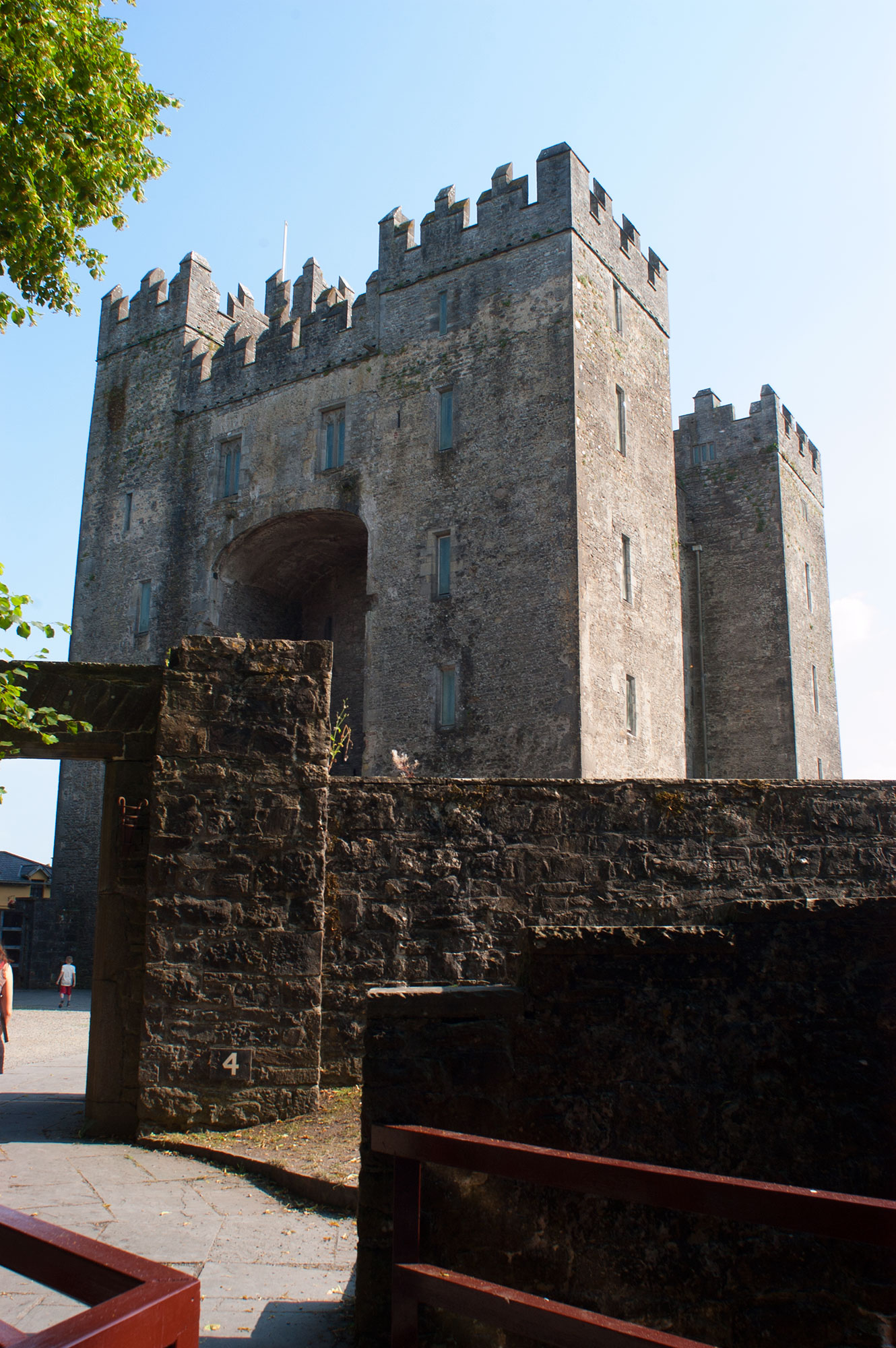
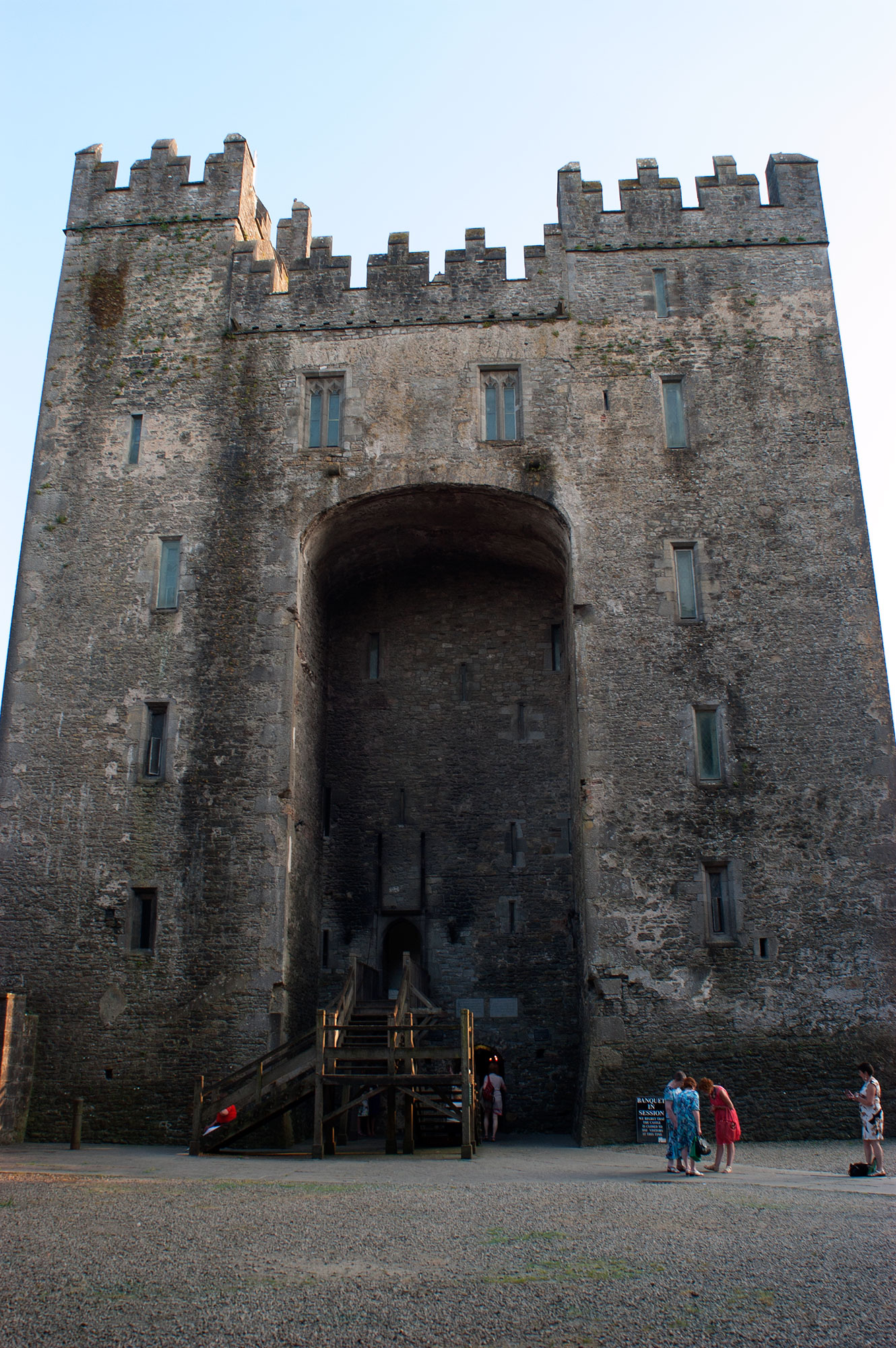
After an evening at the castle and a drive to Shannon Airport, it was time to return home.